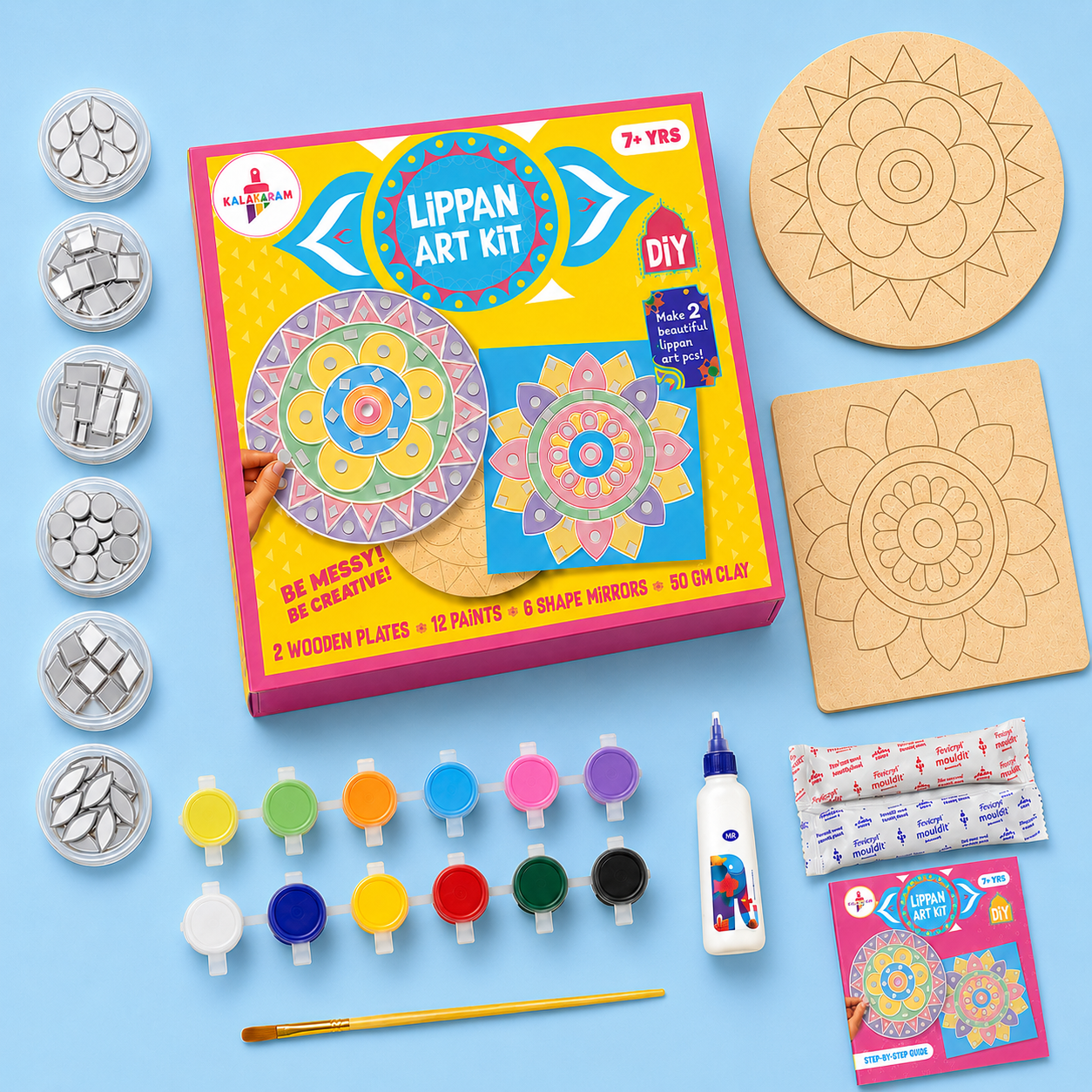
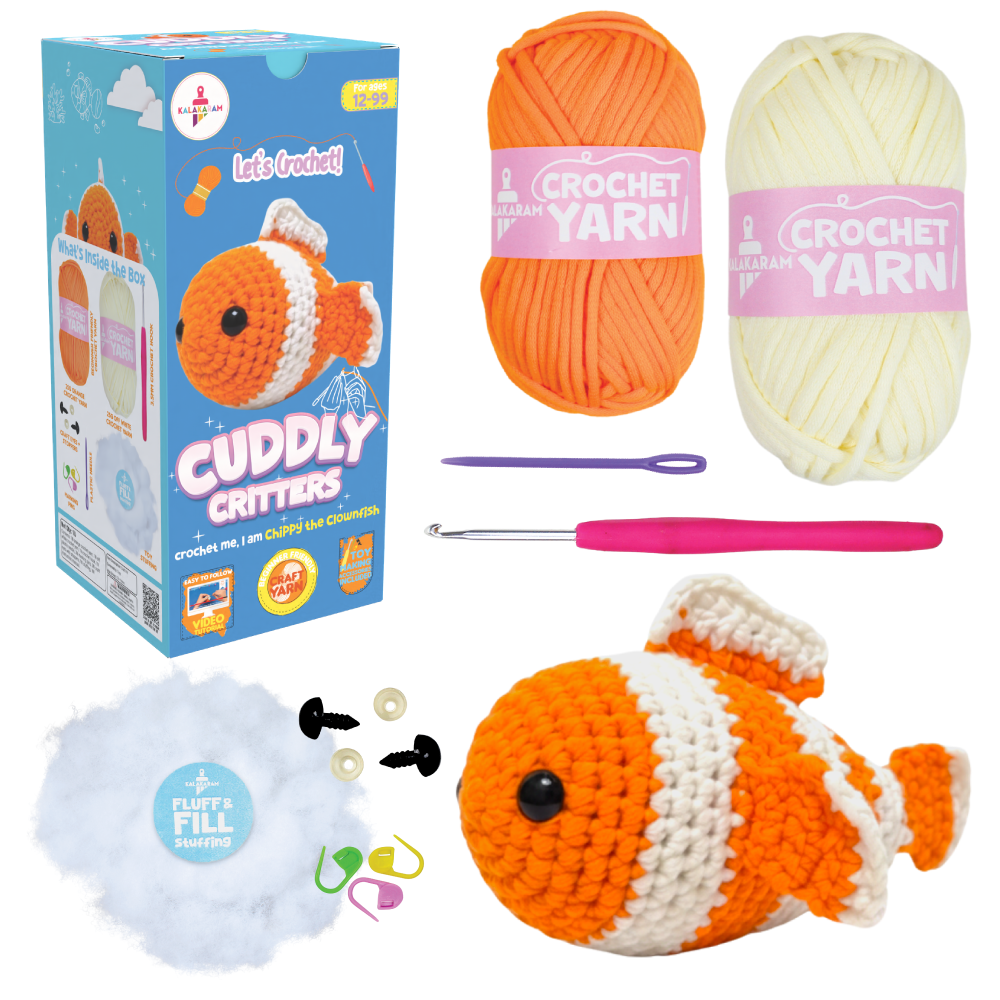
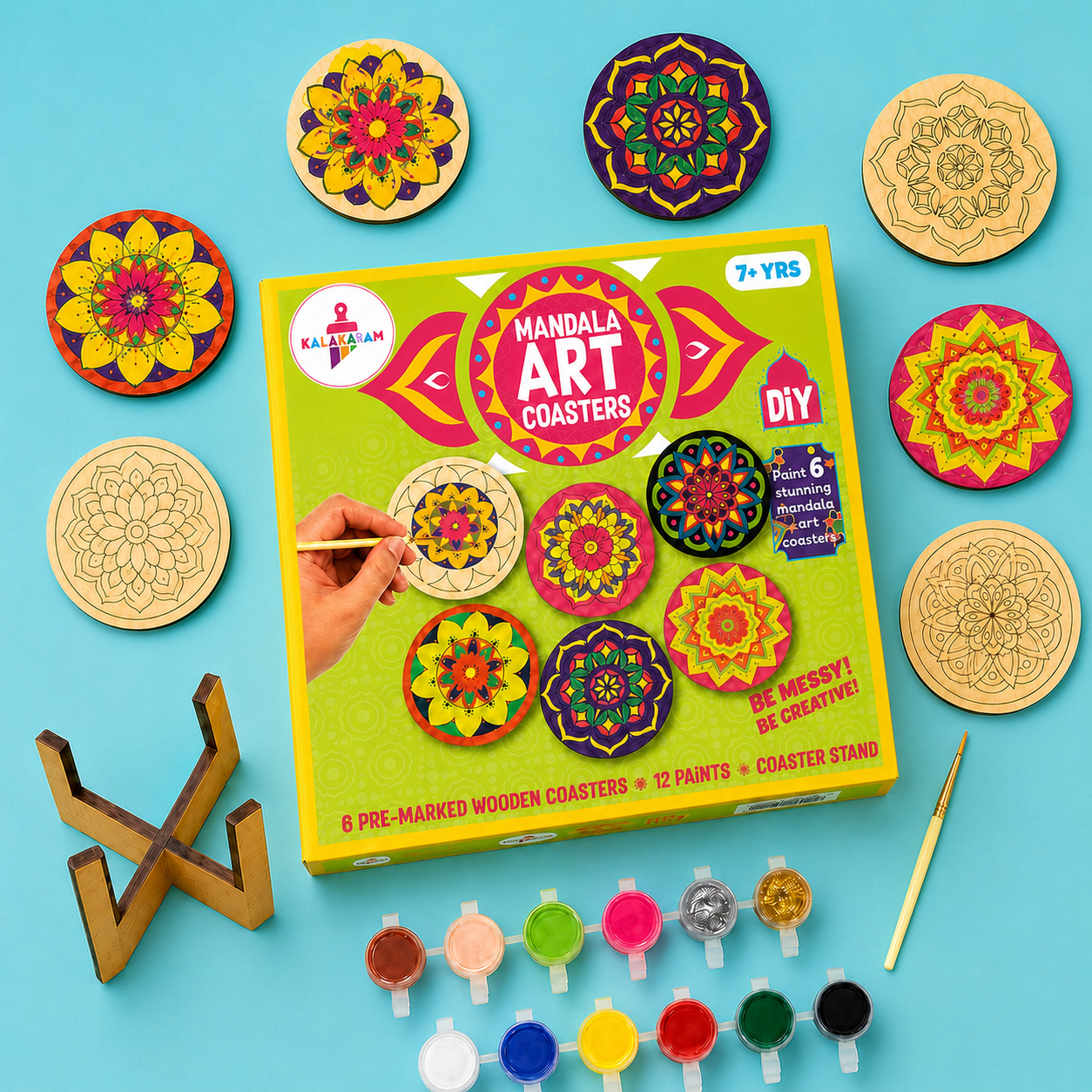
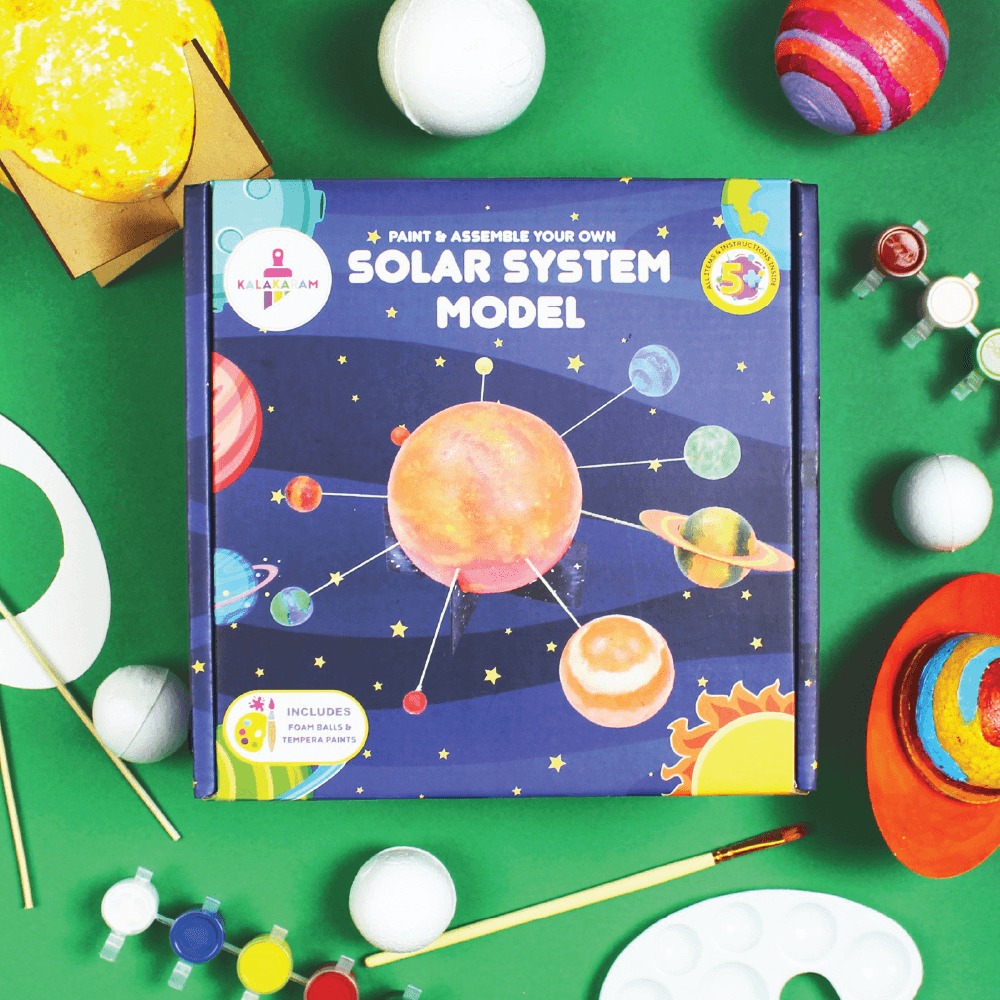
Your child has mastered basic crafts, completed dozens of simple projects, and is ready for something more challenging. They're asking deeper questions about techniques, showing interest in complex processes, and demonstrating the patience for extended projects. It's time to introduce advanced Kalakaram DIY experiences that match their growing capabilities and artistic ambitions while building sophisticated skills for life.
Recognizing Readiness for Advanced Projects
Technical Skill Indicators
Advanced-ready children typically demonstrate several key abilities: they can follow multi-step instructions independently, show patience with detailed work, and exhibit problem-solving skills when projects don't go as planned. They've moved beyond basic tool use to understanding how different materials interact and respond to various techniques.
Creative Development Signs
Look for children who are beginning to develop personal artistic preferences, who ask "what if" questions about techniques, and who want to modify existing projects to match their vision. They may express frustration with simple projects, wanting more control over outcomes and more sophisticated results.
Emotional Readiness
Advanced projects require resilience when facing setbacks, patience during long processes, and confidence to experiment with complex materials. Children ready for this level of work can handle constructive feedback and view mistakes as learning opportunities rather than failures.
Advanced Traditional Art Mastery
Complex Indian Ethnic Art Techniques
Move beyond basic traditional patterns to master sophisticated Indian art forms that require precision, cultural understanding, and advanced technical skills. These projects connect children to rich cultural heritage while developing professional-level artistic abilities.
Advanced Warli Art Compositions: Create large-scale traditional Warli paintings incorporating multiple scenes, complex narratives, and traditional symbolism. Children learn about tribal art traditions while mastering intricate pattern work and storytelling through visual art.
Skills developed: Cultural appreciation, narrative composition, precision pattern work, traditional technique mastery Time commitment: 8-12 hours across multiple sessions Age appropriateness: 11+ years Parent collaboration: Research cultural contexts together, discuss traditional meanings and modern interpretations
https://kalakaram.com/collections/ethnic-art-kits
Madhubani Masterpieces: Progress to complex Madhubani designs featuring detailed figurative work, intricate border patterns, and traditional color combinations. These projects require sustained attention and respect for traditional techniques.
Skills developed: Advanced color theory, cultural history understanding, detailed brushwork, patience with intricate designs Time commitment: 10-15 hours for complete compositions Age appropriateness: 12+ years
Contemporary Interpretations of Traditional Arts
Encourage children to apply traditional techniques to modern subjects, creating fusion artworks that honor heritage while expressing personal creativity. This advanced approach develops cultural appreciation alongside innovative thinking.
Skills developed: Cultural adaptation, creative interpretation, artistic innovation, respect for tradition Parent collaboration: Explore how traditional techniques can express contemporary themes and personal experiences
Advanced Embroidery and Textile Arts
Multi-Technique Embroidery Projects
Combine various embroidery techniques in single, sophisticated compositions. Children learn to plan complex projects, understand thread and fabric interactions, and develop mastery over multiple stitching methods.
Embroidered Landscape Narratives: Create detailed embroidered scenes that tell stories through stitchwork, incorporating French knots for texture, chain stitches for outlines, and satin filling for color areas.
Skills developed: Advanced hand coordination, color theory application, composition planning, narrative development through visual art Time commitment: 12-20 hours across multiple sessions Age appropriateness: 10+ years Parent collaboration: Plan compositions together, research traditional landscape motifs, discuss color symbolism
https://kalakaram.com/collections/buy-embroidery-kits
Cultural Textile Traditions: Explore embroidery styles from different Indian regions, understanding how geography and culture influence artistic expression. Children learn techniques while gaining appreciation for regional diversity.
Skills developed: Regional cultural awareness, technique comparison, historical understanding, artistic adaptation Time commitment: 15-25 hours for complete regional study projects
Functional Art Creation
Move beyond decorative pieces to create beautiful, functional items that demonstrate mastery of both artistic and practical skills. These projects teach children that art can enhance daily life while building advanced technical abilities.
Embroidered Home Accessories: Design and create pillows, table runners, or wall hangings that incorporate advanced techniques while serving practical purposes.
Skills developed: Functional design thinking, practical application of artistic skills, project planning for durability and beauty
Sophisticated Candle Making Artistry
Advanced Wax Techniques
Progress beyond basic candle making to explore sophisticated techniques including layered colors, embedded decorations, carved surfaces, and complex fragrance blending that requires understanding of scent chemistry.
Artistic Sculptural Candles: Create candles that function as both lighting and sculptural art pieces, incorporating advanced shaping techniques, color gradients, and artistic forms.
Skills developed: Three-dimensional thinking, advanced color theory, sculptural techniques, artistic vision realization Time commitment: 8-15 hours depending on complexity Age appropriateness: 11+ years Parent collaboration: Explore art history of functional sculpture, discuss design principles, plan complex projects together
https://kalakaram.com/collections/candle-making-kits-ri
Scent Blending Mastery: Learn to create custom fragrance combinations that tell stories or evoke specific moods, understanding how different scents interact and develop over time.
Skills developed: Olfactory awareness, chemistry understanding, creative composition, sensory art appreciation Time commitment: 6-10 hours across multiple experimentation sessions
Cultural Candle Traditions
Explore candle making traditions from various cultures, understanding how different societies have used candles for ceremony, celebration, and daily life. Create candles that honor these traditions while expressing personal creativity.
Festival Celebration Candles: Design special candles for Indian festivals, incorporating traditional colors, scents, and decorative elements while learning about cultural significance.
Skills developed: Cultural research, traditional technique adaptation, festival preparation, cultural celebration participation
Advanced Natural Product Formulation
Sophisticated Bath & Beauty Chemistry
Move beyond basic mixing to understand ingredient interactions, pH balancing, preservation methods, and advanced formulation techniques that create professional-quality products.
Custom Skincare Development: Formulate personalized skincare products based on skin type analysis, ingredient research, and advanced mixing techniques that require understanding of chemistry principles.
Skills developed: Scientific method application, chemistry understanding, personal care science, advanced measurement skills Time commitment: 6-12 hours across multiple formulation sessions Age appropriateness: 12+ years Parent collaboration: Research ingredient properties together, discuss skin health science, explore natural chemistry
https://kalakaram.com/collections/buy-bath-beauty-kits
Therapeutic Aromatherapy Products: Create bath and body products that incorporate aromatherapy principles, understanding how different essential oils affect mood, health, and well-being.
Skills developed: Therapeutic knowledge, advanced scent blending, holistic health understanding, scientific research skills
Sustainable Product Innovation
Develop products using sustainable practices, understanding environmental impact, ethical sourcing, and eco-friendly packaging. These projects connect creativity with environmental responsibility.
Zero-Waste Beauty Products: Create complete beauty routines using zero-waste principles, understanding how personal choices affect environmental health.
Skills developed: Environmental awareness, sustainable living practices, innovation within constraints, ethical thinking
Complex Multi-Kit Integration Projects
Cross-Disciplinary Artistic Endeavors
Combine techniques from multiple Kalakaram kit categories to create sophisticated projects that demonstrate mastery across various artistic domains.
Cultural Heritage Exhibitions: Create mini-exhibitions combining traditional art, embroidered textiles, ceremonial candles, and cultural research to showcase deep understanding of Indian heritage.
Skills developed: Project management, research skills, artistic integration, cultural presentation, exhibition planning Time commitment: 20-40 hours across multiple weeks Age appropriateness: 12+ years Parent collaboration: Act as co-researchers and exhibition planners, exploring family heritage and cultural connections
https://kalakaram.com/collections/buy-theme-craft-kits
Seasonal Celebration Projects: Design complete seasonal celebrations incorporating handmade decorations, custom candles, traditional foods, and cultural activities that demonstrate sophisticated planning and execution abilities.
Skills developed: Event planning, cultural integration, artistic coordination, family tradition creation
Advanced Skill Documentation and Reflection
Artistic Portfolio Development
Teach children to document their advanced artistic journey through photography, written reflection, and technique analysis. This meta-skill helps them understand their own development and communicate effectively about their artistic growth.
Technique Mastery Documentation: Create detailed records of learned techniques, personal innovations, and artistic evolution that demonstrate sophisticated self-awareness and growth mindset.
Skills developed: Self-reflection, artistic communication, growth tracking, presentation skills Time commitment: Ongoing practice with each advanced project Age appropriateness: 10+ years
Teaching and Mentoring Others
Encourage advanced young artists to teach simpler techniques to younger children or family members, solidifying their own understanding while developing leadership and communication skills.
Skills developed: Teaching ability, patience, leadership, communication, knowledge reinforcement Parent collaboration: Facilitate teaching opportunities, provide guidance on age-appropriate instruction methods
Supporting Advanced Creative Development
Cultural Research and Context
Advanced projects should include research components that help children understand cultural, historical, and artistic contexts for their work. This academic approach deepens artistic understanding and connects personal creativity to larger cultural conversations.
Research Integration: Each advanced project includes opportunities to explore historical contexts, traditional meanings, regional variations, and contemporary applications of traditional techniques.
Professional Technique Introduction
Gradually introduce professional-quality techniques and approaches as children demonstrate readiness and commitment to advanced work. This bridges the gap between craft activities and serious artistic practice.
Innovation Within Tradition
Encourage children to find personal expression within traditional frameworks, developing respect for cultural heritage while building confidence in their own creative voice.
Quality Materials and Advanced Tools
Premium Ingredient Introduction
Advanced projects often benefit from higher-quality materials that produce more satisfying results and teach children to appreciate craftsmanship and material properties.
Professional Technique Tools
Introduce specialized tools that enable advanced techniques while teaching proper care, safety, and respect for quality implements.
Investment in Skill Development
Help children understand that advancing in any artistic discipline requires investment in quality materials, sustained practice, and respect for traditional knowledge.
Long-Term Artistic Development
Building Artistic Identity
Advanced projects help children develop personal artistic preferences, understand their own creative strengths, and begin building artistic identity that will guide future creative choices.
Preparation for Future Learning
Sophisticated DIY projects prepare children for formal art education, cultural studies, or professional creative careers by building foundational skills and cultural appreciation.
Lifelong Creative Practice
Advanced childhood experiences with traditional arts often lead to lifelong engagement with cultural preservation, artistic creation, and creative problem-solving in various life contexts.
Conclusion
Advanced Kalakaram DIY projects offer young artists opportunities to develop sophisticated skills, explore complex cultural concepts, and create work that reflects their growing capabilities and unique artistic vision. These projects bridge the gap between childhood craft activities and serious artistic practice while honoring India's rich cultural heritage.
The key to successful advanced project implementation lies in matching challenges to individual readiness levels, providing appropriate support and resources, and maintaining focus on growth and cultural appreciation rather than perfect outcomes. When children feel supported in taking creative risks and exploring complex techniques within cultural contexts, they develop confidence and skills that serve them throughout their artistic journey.
Remember that "advanced" means projects that challenge children's current skill level while providing opportunities for growth, creative expression, and deep cultural engagement. Whether they're drawn to detailed traditional art, sophisticated embroidery, complex candle making, or integrated multi-disciplinary projects, Kalakaram offers advanced experiences that nurture and develop their unique artistic inclinations while connecting them to cultural heritage.
Start by identifying which aspects of art-making most fascinate your young artist, then gradually introduce more sophisticated approaches to those areas within cultural frameworks that provide meaning and context. The goal is not to rush children toward adult-level artistic practice, but to provide appropriately challenging experiences that honor their growing capabilities while maintaining connection to cultural heritage and the joy that makes art-making meaningful at any age.
FAQs
Q: How do I know if my child is ready for Kalakaram's advanced projects? A: Watch for genuine interest in cultural learning, patience with detailed work, and questions about traditional techniques. Children ready for advanced work typically want to understand the 'why' behind traditional methods.
Q: What if my child starts an advanced project but finds it too challenging? A: This is valuable learning. Help them identify which aspects they enjoyed and which became difficult. Often projects can be simplified or broken into smaller phases rather than abandoned completely.
Q: Are expensive materials necessary for advanced projects? A: Kalakaram's advanced kits include quality materials appropriate for skill development. The investment in proper materials often motivates careful work and produces more satisfying results.
Q: How can I support my child's advanced interests if I'm not familiar with traditional Indian arts? A: Learn alongside your child! Research cultural contexts together, explore family heritage connections, and use project time for shared cultural discovery.
Q: Should advanced young artists focus on one technique or explore multiple traditional arts? A: Most benefit from exploring multiple traditional art forms as they often complement each other. This cross-cultural learning leads to deeper appreciation and innovative approaches that honor tradition while expressing personal creativity.