Walking down toy store aisles filled with plastic gadgets and electronic devices, thoughtful parents often wonder: "Is there something that will truly benefit my child long-term?" While trendy toys provide temporary excitement, educational DIY kits offer something far more valuable – experiences that build skills, create memories, and develop capabilities that last a lifetime.
Rethinking What Makes a Great Gift
Beyond Momentary Entertainment
Traditional toys often follow a pattern: initial excitement, brief engagement, then abandonment as novelty wears off. Educational DIY kits break this cycle by providing ongoing learning opportunities that grow with the child. Each project builds skills that transfer to the next, creating sustained engagement and development.
Investment in Development
When you give a child a DIY kit, you're not just providing entertainment – you're investing in their cognitive development, fine motor skills, cultural awareness, and creative confidence. These gifts create value that compounds over time as children apply learned skills to new challenges and experiences.
Creating vs. Consuming
Most modern toys position children as consumers of entertainment created by others. DIY kits transform children into creators, giving them agency over their own learning and the satisfaction of making something beautiful with their own hands.
Occasion-Specific Gift Recommendations
Birthday Celebrations
Birthdays mark growth and development milestones, making them perfect occasions for gifts that challenge children's expanding capabilities while honoring their current interests.
Age 6-8 Birthday Gifts: Choose kits that provide achievable challenges while introducing new skills. At this age, children are developing confidence and independence, making success-oriented projects ideal.
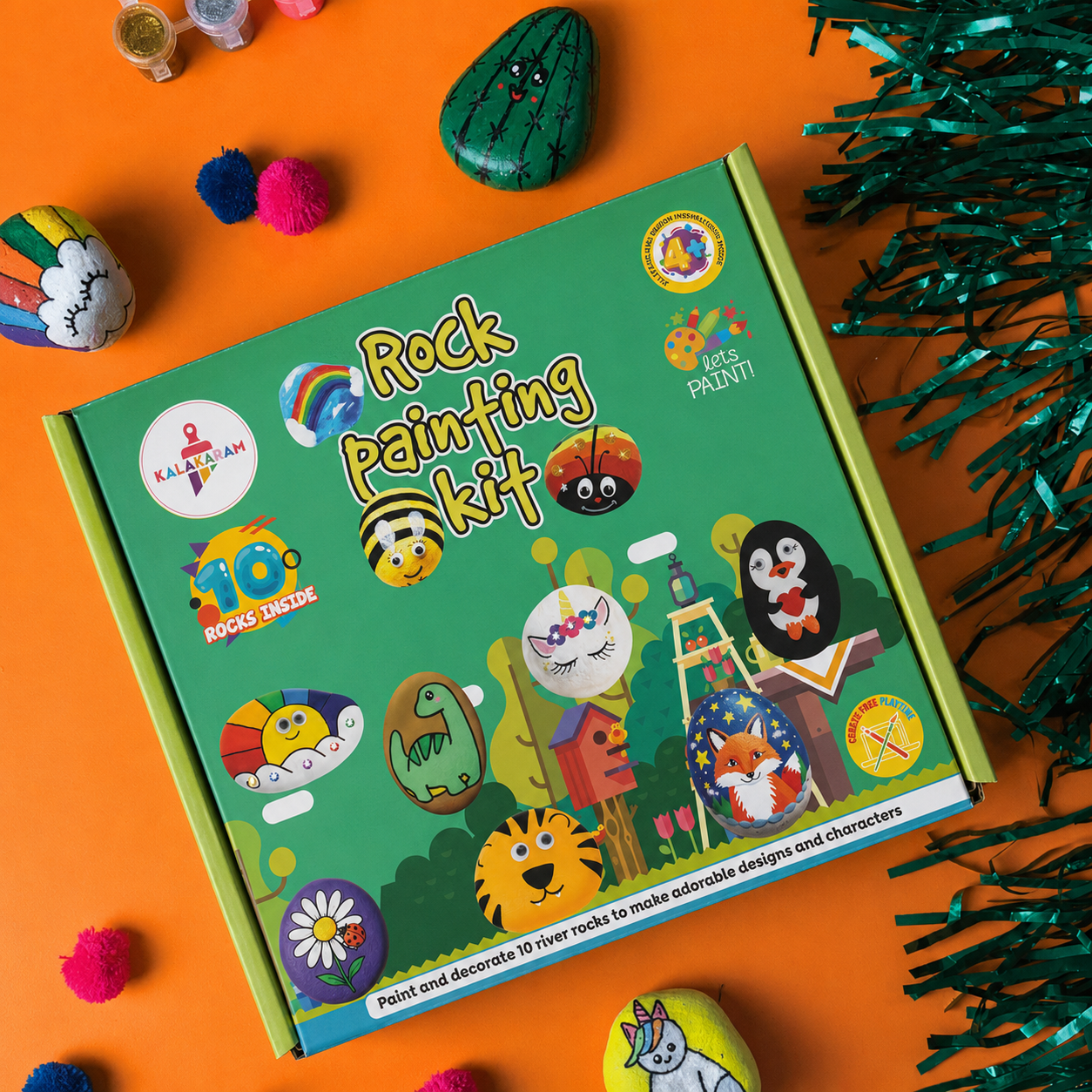
Recommended: Mini craft exploration kits that provide variety and quick satisfaction, basic embroidery sets with simple patterns, or beginner candle making activities that teach basic processes while creating beautiful results.
https://kalakaram.com/collections/return-gifts-for-kids-online
Age 9-11 Birthday Gifts: This group can handle more complex projects and enjoys challenges that demonstrate their growing sophistication and skill.
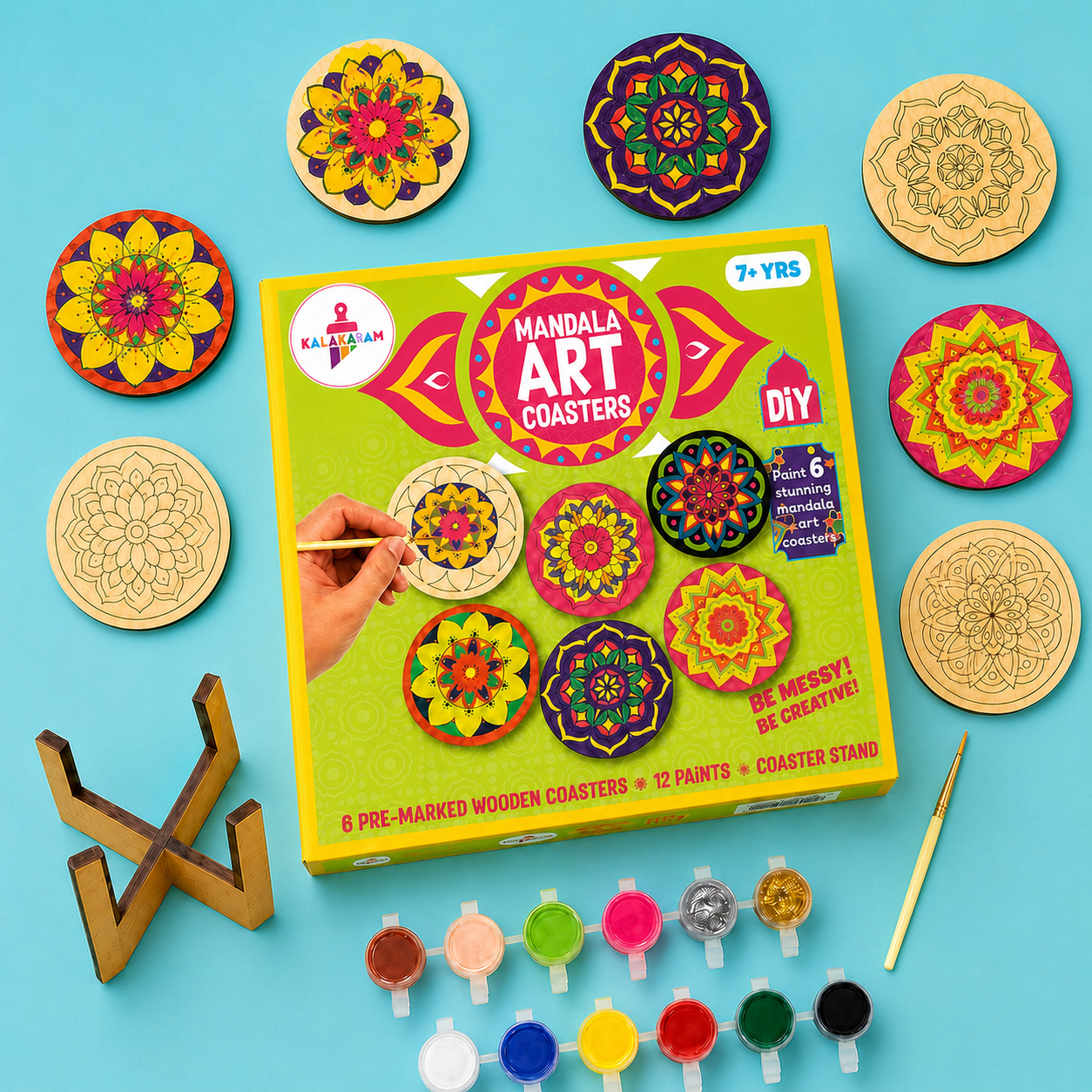
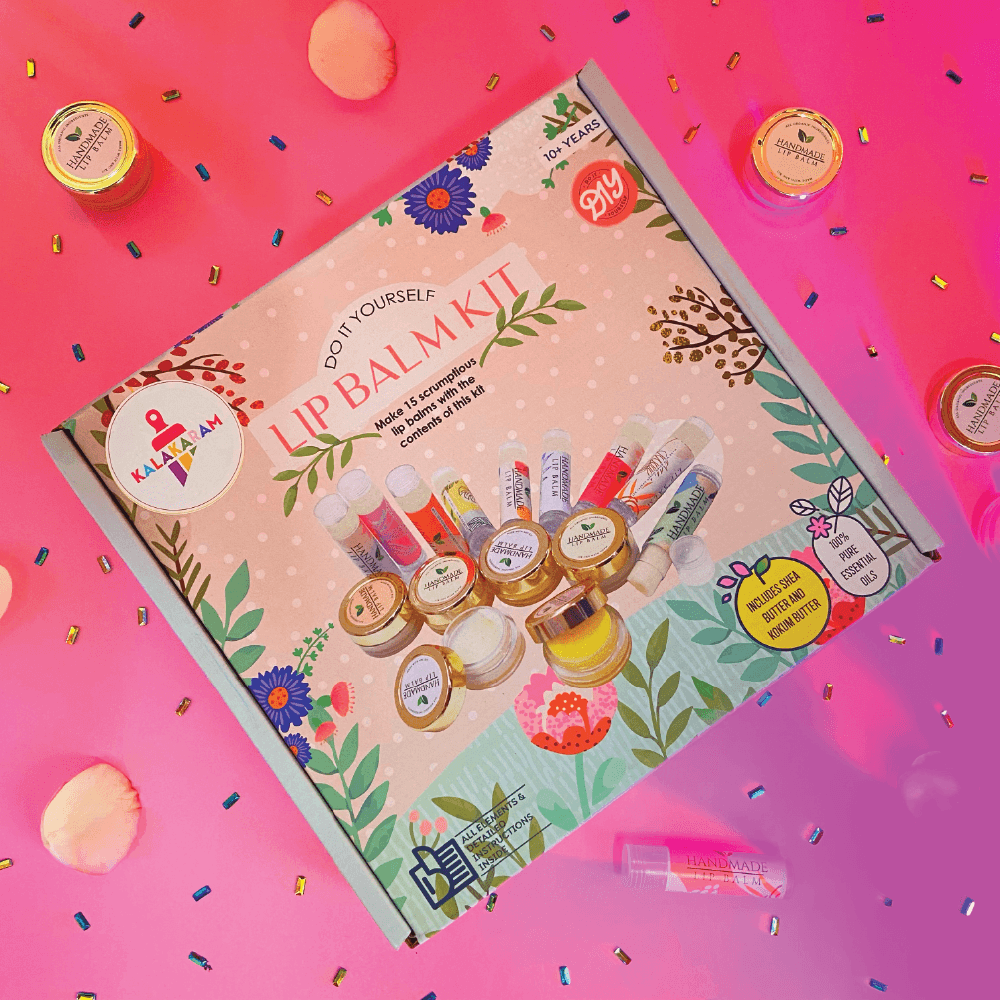
Recommended: Traditional art kits that connect to cultural learning, intermediate embroidery projects with detailed patterns, or bath and beauty creation sets that combine science learning with practical results.
Age 12-14 Birthday Gifts: Older children appreciate gifts that respect their developing maturity while providing genuine skill-building opportunities.
Recommended: Advanced traditional art collections, sophisticated embroidery techniques, or complex candle making projects that produce professional-quality results.
https://kalakaram.com/collections/return-gifts-for-kids-online
Festival and Holiday Gifts
Indian festivals provide natural opportunities for gifts that connect to cultural heritage while building artistic skills.
Diwali Gifts: The festival of lights celebrates knowledge, creativity, and cultural traditions – perfect themes for educational craft gifts.
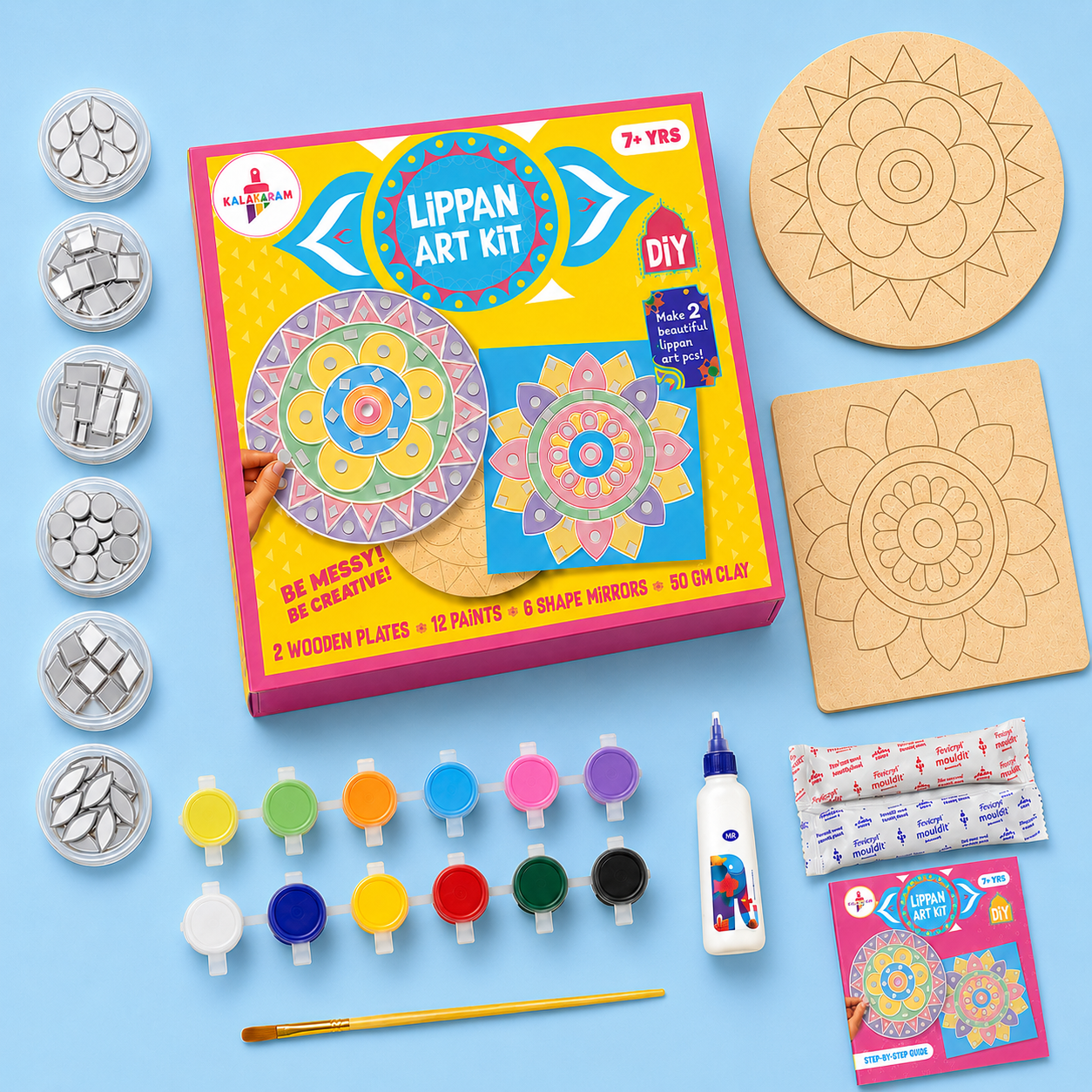
Recommended: Traditional art kits featuring rangoli patterns, candle making sets for creating festival lights, or embroidery projects that incorporate traditional motifs and colors.
https://kalakaram.com/collections/buy-theme-craft-kits
Raksha Bandhan Gifts: This celebration of sibling bonds offers opportunities for gifts that can be shared or that help children create meaningful items for family members.
Recommended: Embroidery kits for creating personalized items, bath and beauty sets for making gifts for siblings, or family-sized activity kits that encourage collaborative creation.
Navratri and Regional Festival Gifts: Connect children to regional traditions through art forms specific to different cultural celebrations.
Recommended: Regional art technique kits, traditional pattern collections, or cultural exploration sets that teach about diverse artistic traditions.
https://kalakaram.com/collections/mini-kits/products/rakhi-making-kit
Achievement Recognition
Academic achievements, skill milestones, or personal growth moments deserve gifts that acknowledge effort while encouraging continued development.
Academic Achievement Gifts: Recognize school success with gifts that build skills supporting continued academic growth.
Recommended: Complex traditional art projects that require research and cultural learning, advanced embroidery techniques that build focus and precision, or multi-kit collections that provide ongoing challenges.
Skill Milestone Gifts: When children master one level of difficulty, gifts that introduce the next challenge level maintain momentum and motivation.
Recommended: Progressive kit series that build systematically on previous skills, advanced technique introductions, or cultural exploration collections that deepen understanding.
https://kalakaram.com/collections/buy-craft-kits
Just Because Gifts
Sometimes the most meaningful gifts are given without special occasions – simply to show love, encourage interests, or brighten ordinary days.
Encouragement Gifts: When children are going through challenging periods, creative activities can provide positive focus and confidence building.
Interest Development Gifts: When you notice emerging interests in art, culture, or hands-on activities, nurturing gifts can help passions develop into lasting skills and hobbies.
Family Bonding Gifts: Gifts that encourage family time and shared activities create memories while building relationships.
https://kalakaram.com/collections/ethnic-art-kits
Age-Appropriate Gift Selection
Early Elementary Considerations (Ages 6-8)
Developmental needs: Building confidence, developing basic skills, experiencing success, maintaining attention and interest
Gift characteristics: Clear instructions, achievable goals, immediate visible progress, variety within projects
Recommended focus: Foundational skill building, cultural introduction, creative exploration, family participation opportunities
Middle Elementary Considerations (Ages 9-11)
Developmental needs: Challenging growing skills, connecting learning to interests, building independence, developing cultural awareness
Gift characteristics: Multi-step projects, cultural educational components, personal choice elements, clear skill progression
Recommended focus: Traditional technique introduction, intermediate skill development, cultural heritage exploration, independent project completion
Pre-Teen Considerations (Ages 12-14)
Developmental needs: Respecting developing maturity, providing genuine challenges, connecting to identity development, preparing for advanced learning
Gift characteristics: Sophisticated techniques, cultural depth, personal expression opportunities, professional-quality results
Recommended focus: Advanced traditional arts, cultural research integration, technique mastery, creative innovation within traditional frameworks
Creating Gift Experiences
Presentation and Context
How you present educational gifts affects how children receive and engage with them.
Cultural storytelling: Share stories about the traditional techniques, regional origins, or cultural significance of the art forms included in the kits.
Family connection: Explain how the skills connect to family heritage, regional traditions, or cultural celebrations that matter to your family.
Future vision: Help children see how the skills they'll develop connect to their interests, goals, or potential future directions.
Support and Encouragement
Educational gifts require different support than traditional toys.
Learning partnership: Position yourself as a co-learner rather than instructor, exploring cultural contexts and techniques together.
Progress celebration: Acknowledge effort, skill development, and cultural learning rather than just final products.
Connection facilitation: Help children connect their learning to broader cultural knowledge, family stories, or community traditions.
Budget-Conscious Educational Gifting
Starter Kits and Collections
Educational gifting doesn't require large budgets – thoughtfully chosen starter kits can provide rich learning experiences while staying affordable.
Mini kit collections: Provide variety and exploration opportunities at reasonable price points while allowing children to discover their preferences and interests.
Seasonal selections: Choose kits that connect to upcoming festivals, seasons, or family celebrations to maximize relevance and engagement.
https://kalakaram.com/collections/all-products
Progressive Building
Start with foundational kits and add complementary pieces over time, building comprehensive learning experiences gradually.
Skill building series: Begin with basic technique kits and add advanced elements as children demonstrate interest and capability.
Cultural exploration: Start with one regional art form and expand to others as children develop cultural curiosity and appreciation.
Family Investment
Consider educational kits as family investments that benefit multiple children over time and create lasting family activities and traditions.
Long-Term Value Assessment
Skill Development ROI
Unlike toys that provide temporary entertainment, educational DIY kits build capabilities that benefit children throughout their lives.
Academic support: Fine motor skills, focus abilities, cultural knowledge, and creative confidence all support school success and lifelong learning.
Cultural connection: Understanding of heritage, traditional techniques, and cultural values provides identity foundation and community connection.
Life skills: Patience, persistence, problem-solving, and creative thinking benefit children in countless future situations and challenges.
Memory and Relationship Building
Educational gifts often create lasting memories and strengthen family relationships through shared learning experiences.
Collaborative creation: Working on projects together builds family bonds while teaching children that learning is a lifelong, shared activity.
Cultural transmission: Learning traditional techniques together helps families pass cultural knowledge and values to the next generation.
Achievement celebration: Completing challenging projects creates positive memories associated with effort, learning, and family support.
Gift-Giving Best Practices
Matching Gifts to Recipients
Interest alignment: Consider the child's current fascinations, hobbies, or expressed curiosities when selecting educational kits.
Skill level appropriateness: Choose challenges that stretch current abilities without creating frustration or overwhelming complexity.
Cultural relevance: Select kits that connect to the child's heritage, family traditions, or cultural interests and celebrations.
Setting Up Success
Clear introduction: Explain the gift's value, cultural significance, or skill-building potential to help children understand its importance.
Support availability: Ensure someone can provide guidance, encouragement, or cultural context as children explore their new kit.
Time and space: Consider whether the recipient has appropriate time, space, and support for engaging with educational activities.
Creating Gift Traditions
Annual Educational Gifts
Establish family traditions around educational gifting that children anticipate and appreciate.
Birthday skill challenges: Each year, provide a kit that challenges the child's developing abilities while connecting to their growing interests.
Festival cultural exploration: Use major festivals as opportunities to explore different traditional art forms or regional techniques.
Achievement recognition: Celebrate academic or personal milestones with educational gifts that acknowledge growth while encouraging continued development.
Family Cultural Exploration
Create family traditions around cultural learning through art and craft exploration.
Heritage investigation: Use educational kits to explore family cultural backgrounds, regional traditions, or ancestral artistic practices.
Community connection: Participate in cultural events, exhibitions, or community celebrations that connect to the techniques children are learning.
Conclusion
Educational DIY kits represent a fundamental shift in gift-giving philosophy – from providing momentary entertainment to investing in long-term development. When children receive kits that teach traditional techniques, build cultural knowledge, and develop practical skills, they gain more than temporary pleasure; they acquire capabilities that enrich their lives for years to come.
Whether celebrating birthdays, festivals, achievements, or simply showing love and support, educational DIY kits offer gifts that truly keep giving. Children who learn traditional embroidery techniques, explore cultural art forms, or master candle making processes don't just complete projects – they develop patience, cultural appreciation, creative confidence, and practical skills that benefit them academically, socially, and personally.
The key lies in thoughtful selection that matches the child's interests, abilities, and cultural background while providing appropriate challenges and support. When educational gifts connect to family heritage, cultural celebrations, or personal passions, they become more than activities – they become pathways to identity development, skill mastery, and lifelong learning.
Start your educational gifting journey by considering the children in your life and their current interests, challenges, and growth areas. Choose one kit that provides appropriate challenge while connecting to something they care about, and watch as your gift creates value that extends far beyond the unwrapping moment.
FAQs
Q: How do I choose between different types of educational kits for the same child? A: Consider their current interests, skill level, and what they need most – cultural connection, fine motor development, creative expression, or challenge advancement. When in doubt, variety packs allow exploration.
Q: What if the child doesn't seem interested in the educational kit I gave them? A: Sometimes timing matters more than the gift itself. Store it for later introduction, or try engaging with it as a family activity rather than expecting independent exploration immediately.
Q: Are educational DIY kits appropriate for children who already have many toys? A: Educational kits provide different value than traditional toys – they build skills rather than just entertaining. Many children benefit from this balance, even if they have plenty of conventional toys.
Q: How can I tell if an educational kit is too advanced or too simple for a child? A: Observe their engagement level and frustration tolerance. They should be challenged but not overwhelmed, making steady progress with appropriate support and encouragement.
Q: Should I wrap educational gifts differently or explain their educational value? A: Present them as exciting opportunities for creativity and cultural exploration rather than "educational" – focus on the fun, cultural richness, and creative possibilities rather than the learning aspects.