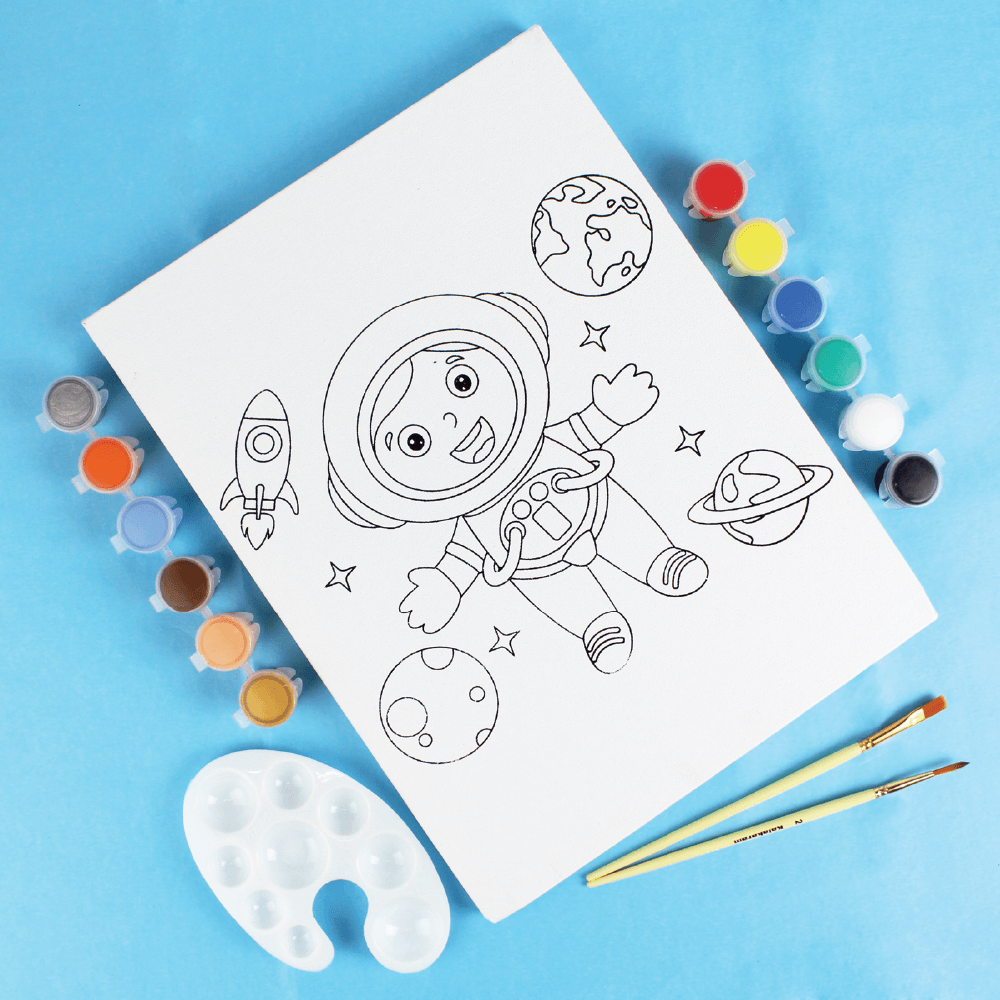
The glow of screens has become the backdrop of childhood, with the average child spending over 7 hours daily engaged with digital devices. While technology offers valuable educational opportunities, the absence of hands-on creative activities can impact children's development in ways we're only beginning to understand. The challenge isn't eliminating screens entirely, but creating a balanced approach that honors both digital literacy and physical creativity.
Understanding the Screen Time Reality
Current Statistics
Recent studies reveal that children aged 8-12 spend an average of 4-6 hours on screens daily, while teens average up to 9 hours. During pandemic periods and summer breaks, these numbers often double. The majority of this time involves passive consumption rather than active creation or learning.
The Appeal of Digital Entertainment
Screens provide immediate gratification, constant stimulation, and endless variety with minimal effort. Digital games and videos are designed to capture and maintain attention through sophisticated psychological techniques that hands-on activities cannot match – at least not initially.
Hidden Costs of Screen Dominance
Extended screen time can impact:
- Fine motor skill development
- Attention span for non-digital activities
- Physical fitness and outdoor exploration
- Face-to-face social interaction skills
- Creative problem-solving abilities
- Sleep quality and regulation
The Unique Benefits of Hands-On Creativity
Irreplaceable Physical Development
Craft activities provide sensory experiences that screens cannot replicate. When children work with Kalakaram's DIY kits, they develop:
Tactile Intelligence: Understanding texture, temperature, resistance, and material properties through direct contact builds neural pathways that support learning across all subjects.
Fine Motor Precision: Activities like embroidery, detailed painting, and precise cutting develop the small muscle control essential for writing, mathematical manipulation, and daily living skills.
https://kalakaram.com/collections/motor-skills-ri
Spatial Awareness: Three-dimensional crafting helps children understand space, proportion, and relationship in ways that flat screens cannot provide.
Cognitive Benefits of Physical Creation
Problem-Solving Depth: When a craft project doesn't work as expected, children must analyze, hypothesize, and test solutions using multiple senses. This deep problem-solving builds resilience and innovative thinking.
Sustained Attention: Unlike screens that change content every few seconds, craft projects require sustained focus on single tasks. This builds attention muscles essential for academic success.
Memory Enhancement: Multi-sensory craft experiences create richer memories than visual-only screen experiences, supporting better retention and recall.
Creating Competitive Craft Experiences
Understanding the Competition
To compete with screens, hands-on activities must offer compelling experiences that children actively choose over digital alternatives.
Immediate Satisfaction Elements:
- Quick-start projects that show progress immediately
- Colorful, engaging materials that appeal visually
- Clear achievement markers throughout projects
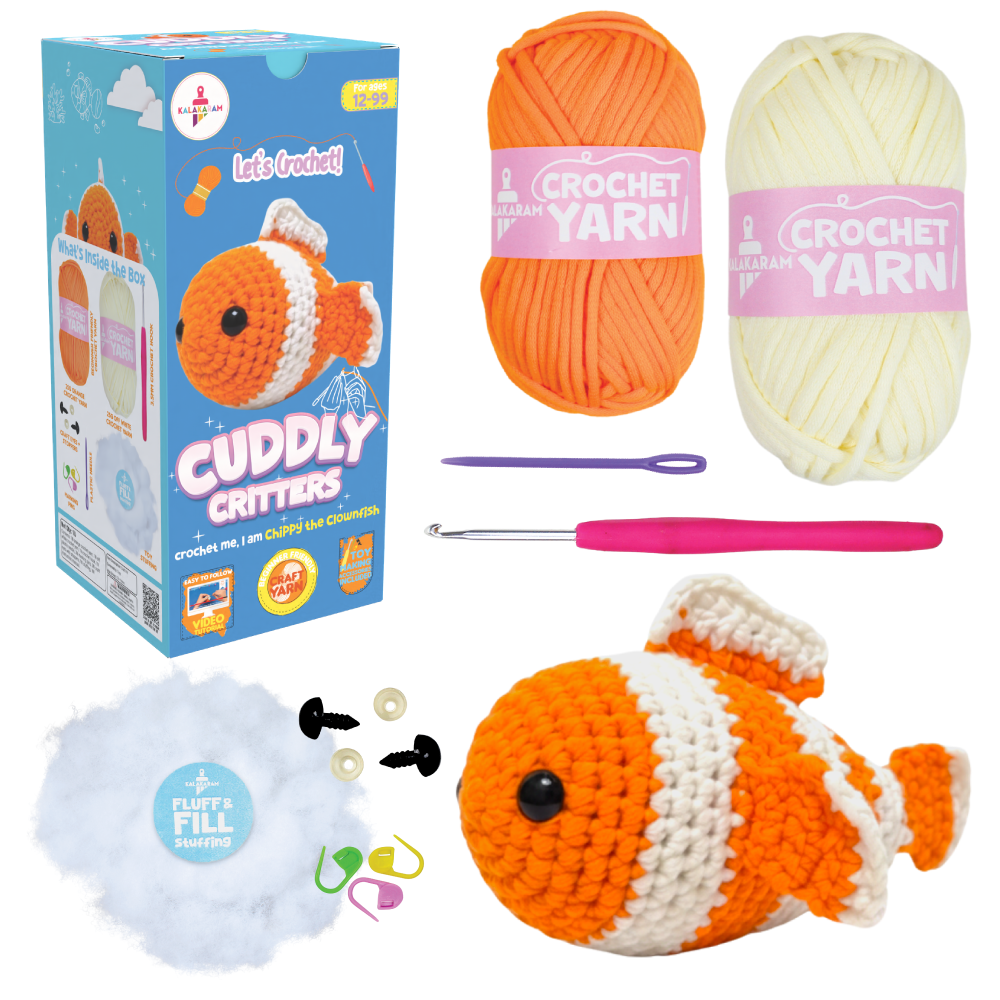
Kalakaram's Mini Kits specifically address this need, providing complete creative experiences with quick setup and visible progress markers that compete effectively with digital entertainment.
https://kalakaram.com/collections/artistic-expression
Progressive Challenge Systems
Like video games, craft activities can offer progressive challenge systems that keep children engaged and motivated.
Skill Building Progressions:
- Beginner projects that ensure early success
- Intermediate challenges that stretch abilities
- Advanced projects that demonstrate mastery
- Achievement recognition and skill documentation
Embroidery Skill Progressions: Start with simple running stitches, progress to complex pattern work, and advance to original design creation.
https://kalakaram.com/collections/buy-embroidery-kits
Social and Sharing Elements
Digital platforms succeed partly through social sharing and community connection. Craft activities can incorporate similar elements.
Family Collaboration Projects: Large-scale activities that require multiple participants create social engagement while building creative skills.
Documentation and Sharing: Encourage children to photograph and share their creations, building portfolios that demonstrate growth and achievement.
Strategic Balance Implementation
The 50/30/20 Approach
Consider implementing a balanced daily structure:
- 50% free choice time (including some screen time)
- 30% structured learning activities
- 20% hands-on creative exploration
This approach ensures creative time without creating adversarial relationships with technology.
Screen-Free Zones and Times
Physical Spaces: Designate specific areas where screens aren't allowed, making these spaces naturally conducive to hands-on activities.
Time Boundaries: Establish screen-free periods during meals, before bedtime, and during designated family creative time.
Creative Preparation: Have craft supplies readily available so hands-on activities can begin immediately when screen time ends.
Transition Strategies
Bridge Activities: Use activities that combine digital and physical elements to ease transitions between screen and craft time.
Choice Architecture: Present craft options alongside screen options, making hands-on activities equally accessible and appealing.
Modeling Behavior: Parents who engage in their own hands-on hobbies while children craft create powerful examples of balanced living.
Age-Appropriate Balance Strategies
Early Years (Ages 4-7)
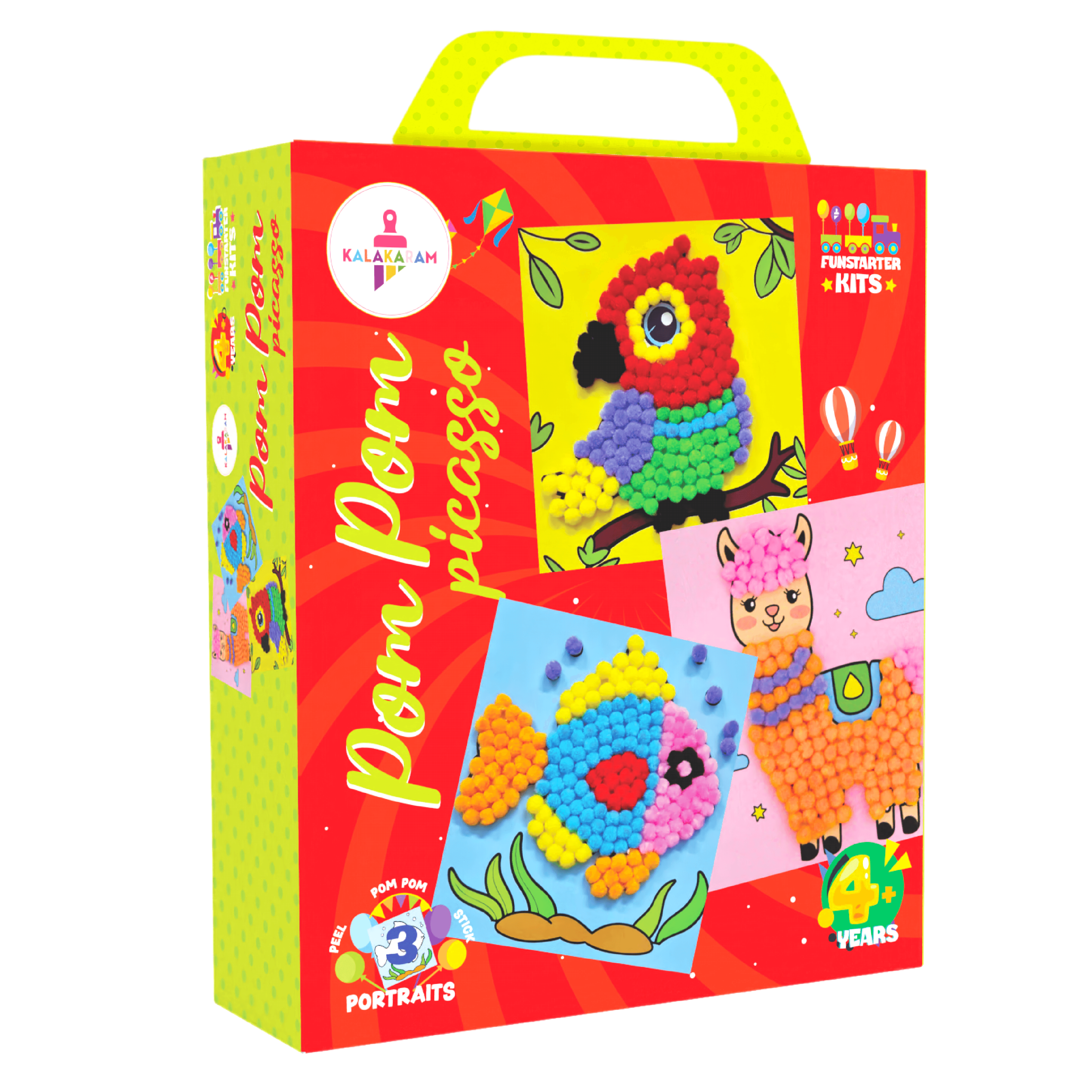
Young children naturally gravitate toward hands-on exploration. The challenge is maintaining this preference as digital options become more available.
Strategy Focus:
- Emphasize sensory-rich craft experiences
- Limit screen time to educational content with time boundaries
- Create exciting craft routines that children anticipate
- Use screens as rewards for completing creative projects
Recommended Activities:
- Large-motor crafts with immediate visual results
- Sensory exploration through natural materials
- Simple cooking and baking projects
- Basic embroidery and textile exploration
https://kalakaram.com/collections/buy-kits-for-4-plus-kids
Elementary Years (Ages 8-11)
This age group begins comparing craft activities to increasingly sophisticated digital entertainment. Craft activities must offer comparable complexity and engagement.
Balance Strategies:
- Introduce complex, multi-session projects that build anticipation
- Connect craft skills to digital interests (creating physical versions of favorite characters)
- Establish craft clubs or groups for social engagement
- Use documentation tools to track and celebrate skill development
Engaging Project Types:
- Traditional art forms with cultural storytelling
- Scientific experimentation through bath and beauty creation
- Advanced candle making with personal expression elements
https://kalakaram.com/collections/buy-kits-for-7-plus-kids
Pre-Teen Years (Ages 12-14)
Older children often resist activities they perceive as "childish" and gravitate strongly toward peer-connected digital activities.
Sophisticated Engagement:
- Offer adult-level technique instruction
- Connect projects to future interests and career exploration
- Emphasize skill mastery and portfolio development
- Provide opportunities to teach younger children
Advanced Project Options:
- Professional-level traditional art techniques
- Business-oriented projects (creating products to sell)
- Cultural research and artistic interpretation
- Community service through craft creation
https://kalakaram.com/collections/diy-kits-for-11-plus-kids
Making Craft Time Irresistible
Environmental Design
Visual Appeal: Create craft spaces that look as appealing as digital environments – colorful, organized, and visually stimulating.
Accessibility: Keep materials easily accessible so creative impulses can be acted upon immediately.
Inspiration Displays: Showcase completed projects and provide visual inspiration through art books, cultural images, and technique examples.
Psychological Engagement
Choice and Control: Offer multiple project options and allow children to direct their creative exploration within structured frameworks.
Achievement Recognition: Create systems for recognizing skill development, project completion, and creative innovation.
Social Connection: Facilitate sharing, teaching, and collaborative creation opportunities.
Integration with Digital Interests
Character Creation: Help children create physical versions of favorite digital characters or game elements.
Documentation Projects: Use digital tools to document and share creative processes and outcomes.
Research Integration: Use digital resources to research traditional techniques, cultural contexts, and artistic inspiration.
Measuring Success
Behavioral Indicators
Successful balance implementation typically shows:
- Children voluntarily choosing craft activities over screen options
- Sustained engagement with hands-on projects
- Skill development and technique mastery
- Positive associations with creative time
- Improved focus and patience in other activities
Long-Term Benefits
Children who maintain active creative practices alongside digital engagement often demonstrate:
- Better academic performance, particularly in STEM subjects
- Enhanced social skills and emotional regulation
- Greater resilience and problem-solving abilities
- Stronger cultural connections and identity development
- More balanced lifestyle patterns into adulthood
Practical Implementation Tips
Starting Small
Begin with short, successful craft sessions rather than attempting dramatic screen time reductions. Build positive associations gradually.
Family Participation
Parents who engage alongside children create powerful modeling while building family bonds through shared creative experiences.
Flexibility and Adaptation
Recognize that balance needs change with seasons, family circumstances, and individual development. Maintain flexibility while preserving core commitments to hands-on creativity.
Cultural Integration
Use traditional art forms and cultural projects to provide meaning and context that pure entertainment cannot match.
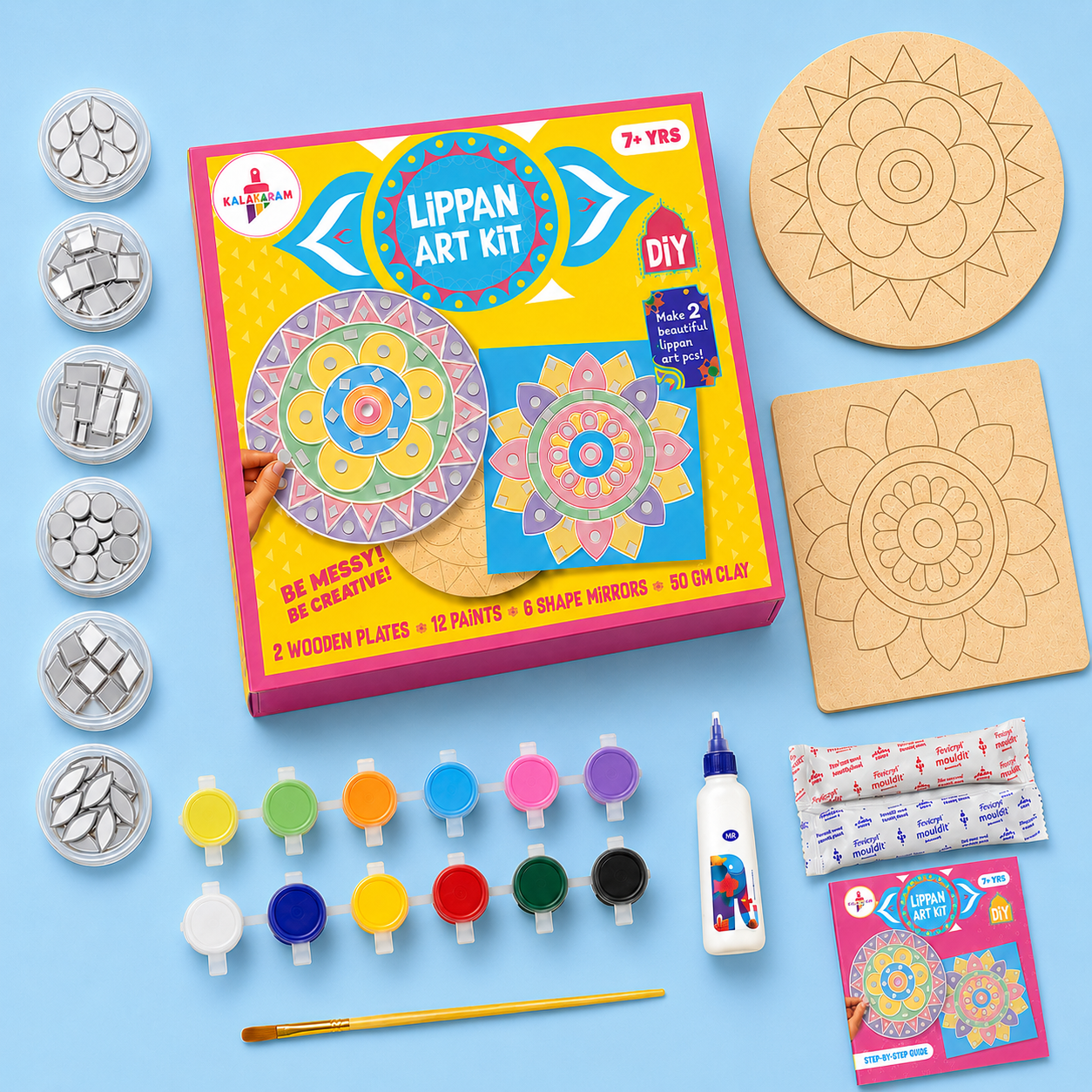
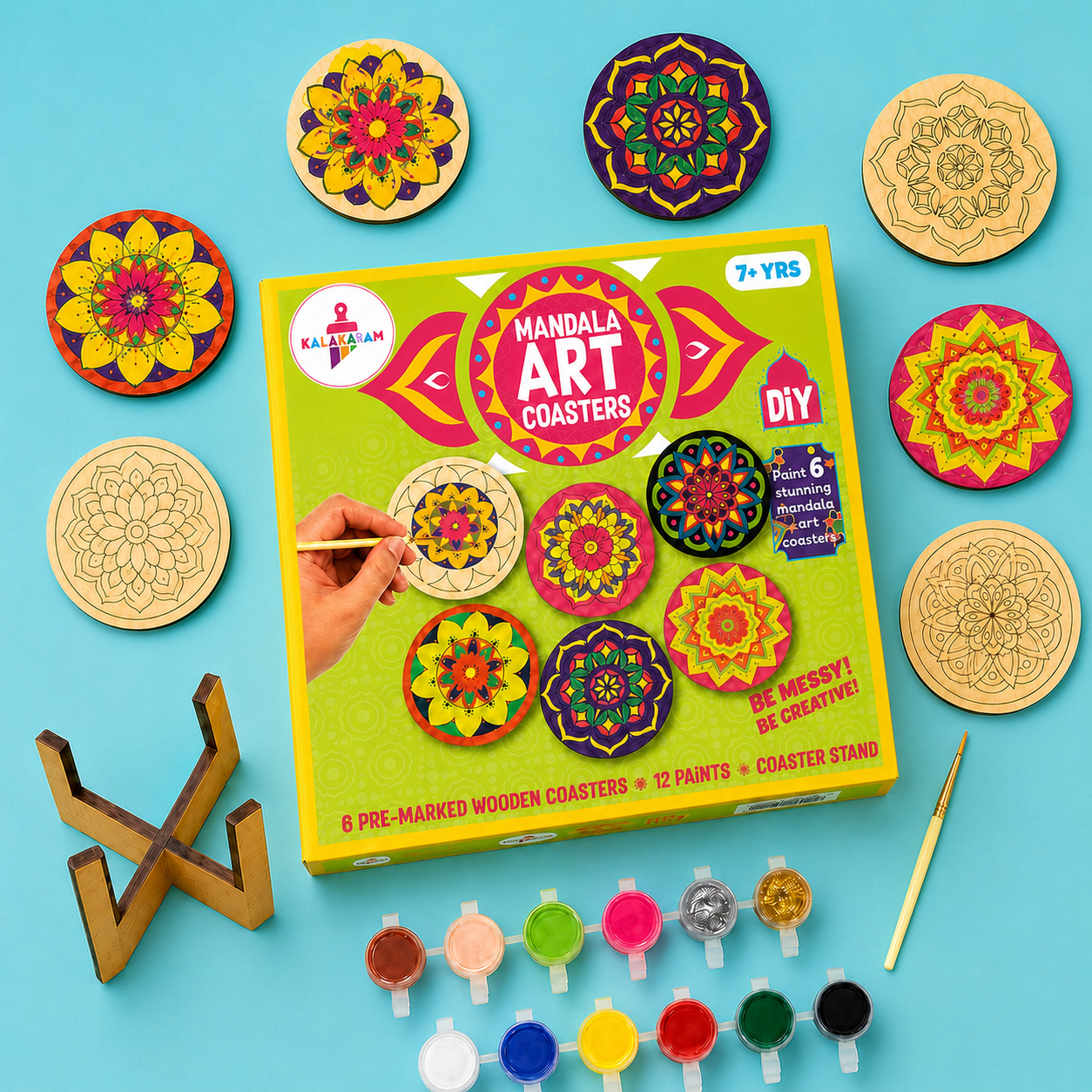
Kalakaram's Cultural Heritage Kits offer this meaningful engagement by connecting creativity to identity and family heritage.
https://kalakaram.com/collections/ethnic-art-kits
Overcoming Common Challenges
Resistance to Craft Activities
Initial Resistance: Start with activities closely aligned to current interests, using familiar themes or characters.
Peer Pressure: Find craft communities or groups where hands-on creativity is valued and celebrated.
Perfectionism: Emphasize exploration and learning over perfect results.
Time Management
Busy Schedules: Integrate craft time into existing routines rather than adding additional scheduled activities.
Competing Priorities: Position creative time as essential development rather than optional entertainment.
Resource Concerns
Cost Management: Choose versatile, high-quality kits that provide multiple project opportunities rather than single-use items.
Space Limitations: Focus on compact, self-contained projects that can be completed on kitchen tables or small spaces.
Conclusion
Creating balance between screen time and craft time isn't about eliminating technology or forcing children into activities they resist. It's about providing compelling alternatives that offer unique benefits while honoring children's developmental needs and interests.
Kalakaram's thoughtfully designed DIY kits provide the complexity, beauty, and achievement satisfaction that can compete with digital entertainment while building irreplaceable physical skills, cultural connections, and creative confidence.
The goal is raising children who can navigate digital worlds competently while maintaining the hands-on creativity, cultural awareness, and problem-solving abilities that technology cannot provide. When we succeed in this balance, we give children tools for thriving in an increasingly complex world.
Start today by introducing one engaging craft activity alongside existing screen time rather than replacing it. Watch as children discover the unique satisfactions of creating with their hands, building skills that will serve them throughout their lives.
FAQs
Q: How much screen time is appropriate for different ages? A: Recommendations vary, but generally 1 hour for ages 2-5, 1-2 hours for ages 6-11, and reasonable limits with parental guidance for teens. Quality matters more than specific time limits.
Q: What if my child completely resists craft activities? A: Start with activities that connect to their existing digital interests, keep sessions short and successful, and consider whether the activities match their developmental level and interests.
Q: Can digital creativity tools replace hands-on crafts? A: Digital tools offer valuable skills but cannot replace the sensory, motor, and spatial learning that physical materials provide. Both have roles in balanced development.
Q: How do I manage screen time limits when other families have different rules? A: Focus on your family's values while remaining flexible for social situations. Teach children to understand that families make different choices based on their priorities.
Q: What if I don't have time to supervise craft activities? A: Choose age-appropriate independent activities, set up organized craft spaces, and remember that some creative time is better than none – even if supervision is minimal.