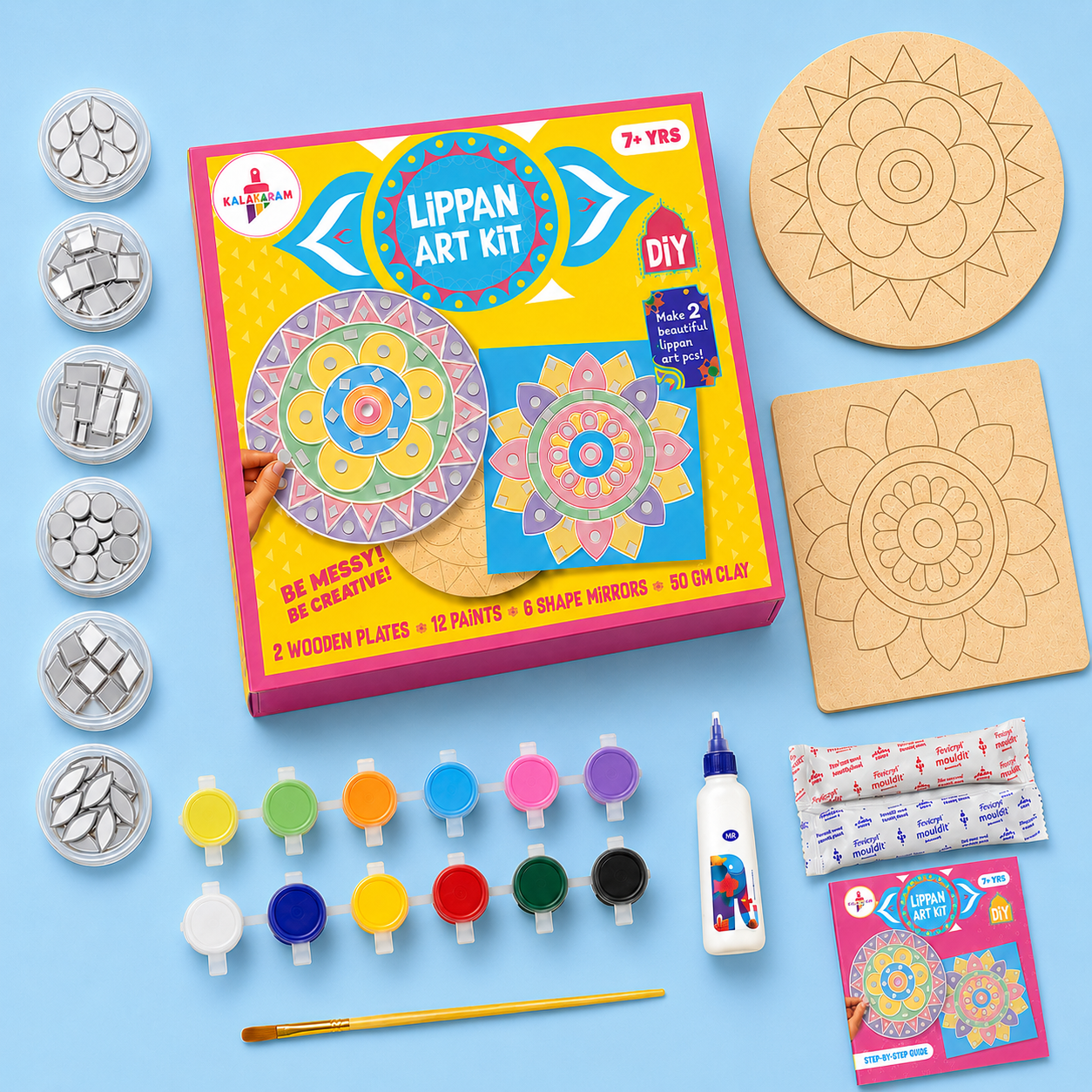
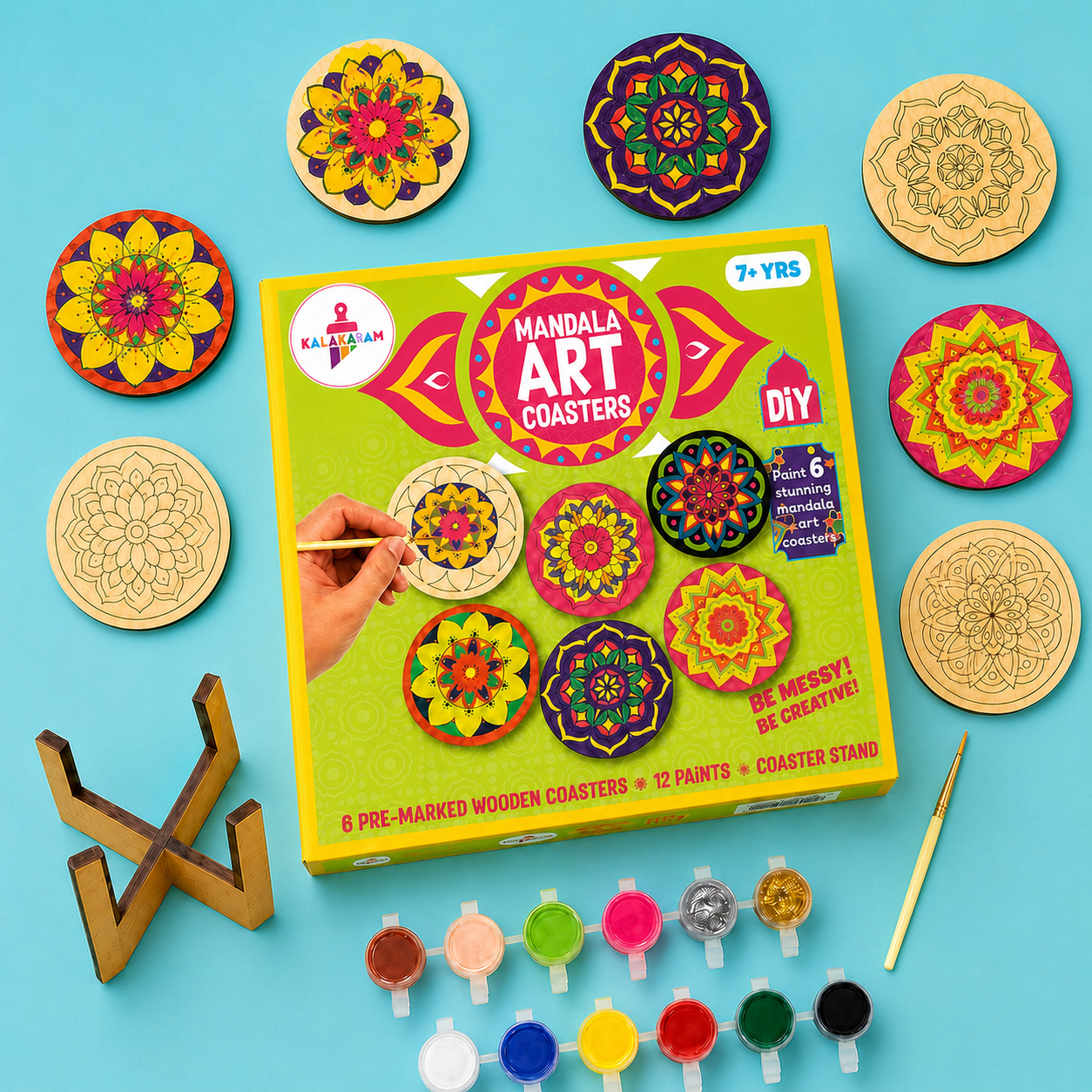
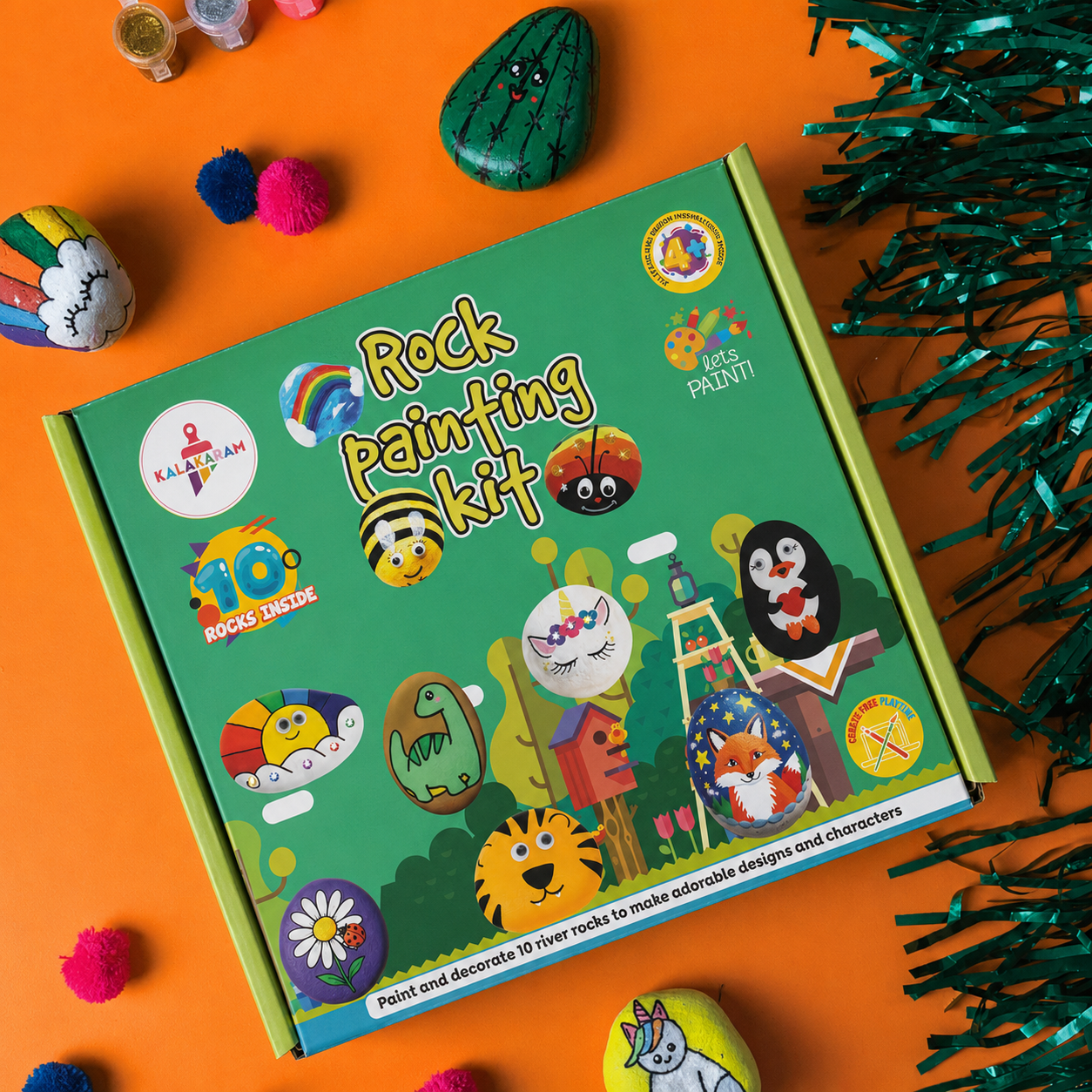
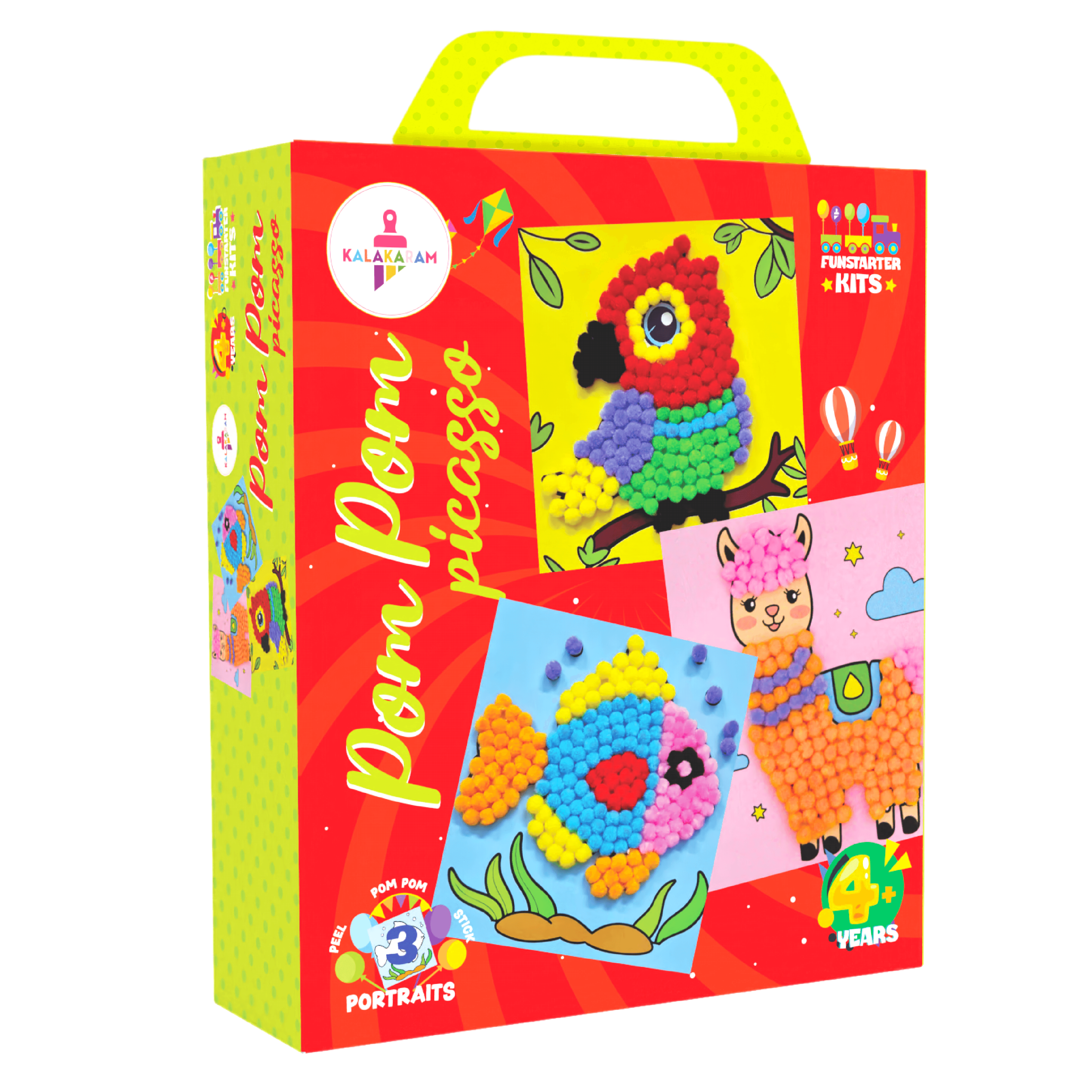
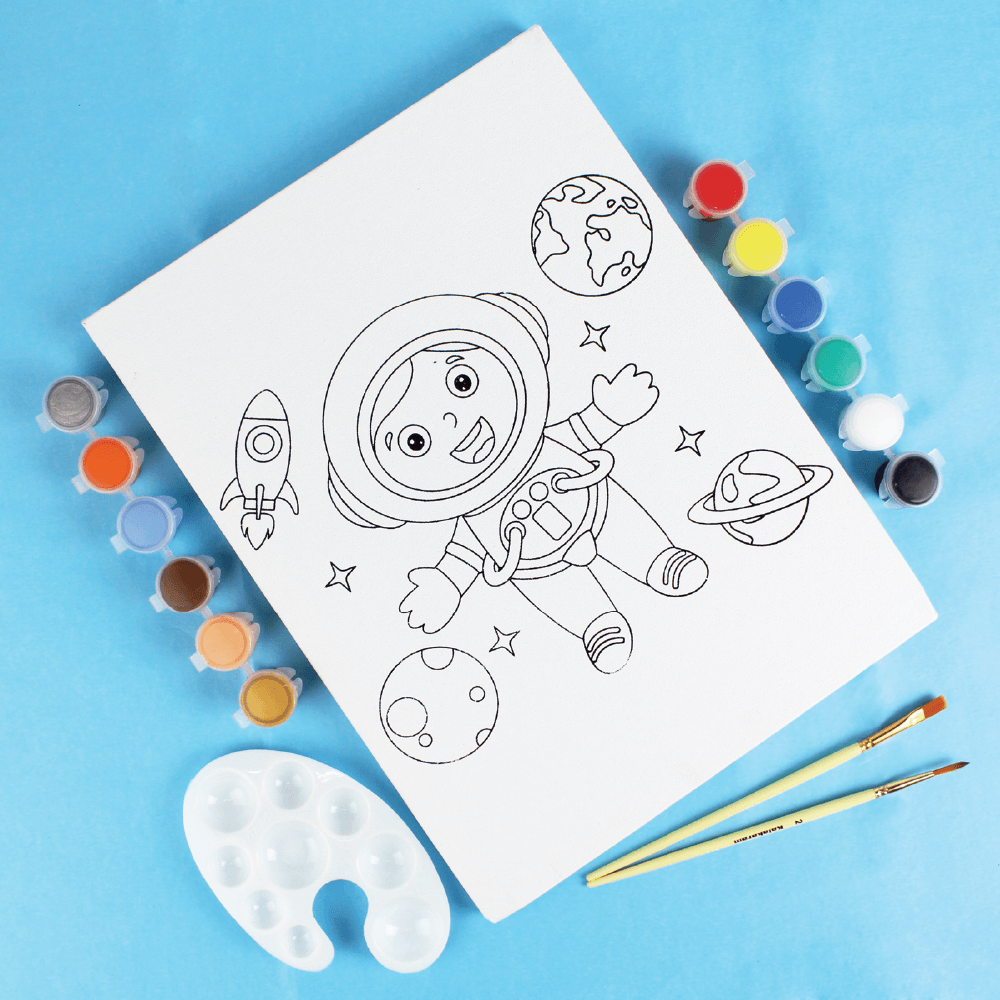
The kitchen table is covered in paint splatters, glitter somehow made its way to the ceiling, and your child stands proudly holding their latest masterpiece – a somewhat lopsided but undeniably enthusiastic self-portrait. While your first instinct might be to focus on the cleanup ahead, take a moment to appreciate what you're witnessing: confidence being built, one messy project at a time.
The Psychology Behind Creative Confidence
Child psychologists have long understood the connection between creative expression and self-esteem. When children engage in art projects, they enter a space where there are no wrong answers, where their unique perspective is valued, and where they have complete control over the outcome. This freedom creates a foundation for confidence that extends far beyond the art table.
Dr. Sarah Chen, a developmental psychologist specializing in childhood creativity, notes that children who regularly engage in open-ended creative activities show measurably higher self-confidence scores in other areas of their lives. The reason is simple: art teaches children that they are capable creators, not just consumers.
Why Messy Projects Matter Most
Embracing Imperfection
Perfect projects often leave children feeling anxious about meeting expectations. Messy, experimental projects teach a different lesson: that exploration and discovery matter more than polished results. When a child accidentally mixes colors and creates an unexpected shade, they learn that "mistakes" can lead to beautiful discoveries.
Process Over Product
The real magic happens during creation, not in the final piece. A child working with clay for the first time experiences the material's resistance, learns how pressure affects shape, and discovers their own strength. These sensory experiences build body awareness and confidence in physical capabilities.
Ownership and Control
In a world where children's schedules are often managed by adults, art projects give them complete autonomy. They choose colors, decide compositions, and determine when their work feels complete. This sense of control builds decision-making confidence and self-trust.
Building Blocks of Creative Confidence
Starting Small
Confidence grows through accumulated success experiences. Begin with projects that feel achievable but offer room for personal expression. A decorated bookmark might seem simple, but for a child who's never used watercolors before, it represents a significant accomplishment.
Celebrating Effort
The language we use around children's creative work shapes their relationship with creativity forever. Instead of "That's beautiful," try "I can see you worked really hard on the shading in this corner." This focuses attention on effort and skill development rather than just aesthetic appeal.
Creating Display Spaces
Children need to see their work valued. A dedicated display area – whether it's the refrigerator, a bulletin board, or a special shelf – communicates that their creative efforts matter. Regularly rotating displayed works keeps the space fresh and gives children something to look forward to.
Age-Appropriate Confidence Building
Early Years (Ages 3-5)
Focus on sensory exploration and basic skill development. Large brushes, finger paints, and chunky crayons allow for successful mark-making. Praise enthusiasm and effort: "You used so many different colors!" or "I love how you covered the whole paper!"
Young children at this stage are developing fundamental motor skills. Each successful brush stroke or controlled crayon line builds physical confidence alongside creative confidence.
Elementary Years (Ages 6-10)
Introduce more complex techniques while maintaining focus on expression over perfection. This age group benefits from projects with clear steps but multiple possible outcomes. Teaching basic color mixing, simple perspective, or texture techniques gives children tools to express their ideas more fully.
Children this age often become more critical of their work. Encourage experimentation by having them try the same project multiple times with different approaches: "Let's see what happens if we try this with watercolors instead of markers."
Pre-Teen Years (Ages 11-13)
Offer more sophisticated projects that allow for personal style development. This age group is particularly sensitive to peer comparison, so emphasize individual growth over competition. Portfolio-style documentation helps children see their own progress over time.
Introduce art history and diverse artistic styles. When children see that professional artists work in wildly different ways, they understand that there's no single "right" way to create.
Overcoming Creative Roadblocks
"I'm Not Good at Art"
This limiting belief often develops when children compare their work to unrealistic standards. Combat this by exposing them to various art styles and emphasizing that art is about expression, not replication. Share examples of successful artists whose work might have been considered "wrong" by traditional standards.
Fear of Starting
Some children become paralyzed by blank paper. Provide gentle starting points: a single line to build from, a color palette to work within, or a theme to explore. Sometimes constraints actually increase creativity by removing overwhelming choices.
Perfectionism
Perfectionist children often avoid creative risks. Introduce "happy accident" exercises where mistakes become features. Have them deliberately try techniques that are hard to control, like blow painting or salt-on-watercolor effects.
The Social Side of Creative Confidence
Collaborative Projects
Working on group art projects teaches children that creativity can be shared and that different perspectives enhance outcomes. A collaborative mural where each child contributes their unique section builds both individual and collective confidence.
Peer Learning
Children often learn techniques faster from other children than from adults. Create opportunities for kids to teach each other. When a child masters a technique and shares it with a friend, both children gain confidence – the teacher in their expertise and the learner in their ability to acquire new skills.
Family Art Time
When adults participate in creative activities alongside children, it normalizes creativity as a lifelong practice. Children see that even adults make "imperfect" art and continue to learn and grow.
Measuring Confidence Growth
Observable Changes
Confident young artists take more creative risks, spend longer periods working on projects, and show increased willingness to try new techniques. They're more likely to offer suggestions during group projects and less likely to give up when something doesn't work initially.
Self-Talk Evolution
Listen to how children talk about their work. Confident creators say things like "I want to try..." instead of "I can't..." They describe problems as challenges to solve rather than failures.
Transfer to Other Areas
Creative confidence often spreads to other areas of life. Children who feel capable in art may show increased willingness to try new sports, speak up in class, or take on leadership roles among peers.
Creating Supportive Environments
Physical Space
Dedicate space where art-making is always welcome. This doesn't require a separate room – a corner with supplies and easy cleanup materials works perfectly. When children know they can create spontaneously, they're more likely to experiment.
Emotional Safety
Creative confidence flourishes in environments free from judgment. Establish family rules about creative work: no criticizing others' art, no comparing work, and no pressure to share work before the creator is ready.
Resource Accessibility
Keep basic art supplies easily accessible. When children can independently gather materials and start creating, they develop ownership over their creative practice.
The Long-Term Impact
Children who develop creative confidence through art projects carry that confidence into adulthood. They become adults who aren't afraid to try new things, who can problem-solve creatively, and who understand that mastery comes through practice, not perfection.
These children grow up believing they have something unique to contribute to the world. They approach challenges with curiosity rather than fear and understand that their perspective has value.
Starting Your Confidence-Building Journey
Begin tomorrow with one simple project. Provide materials and minimal instruction, then step back and watch. Resist the urge to "help" unless asked. Comment on effort, technique, and creative choices rather than aesthetic appeal.
Remember that building creative confidence is a marathon, not a sprint. Some days will result in masterpieces, others in happy experiments, and some might end in frustrated tears. All of these experiences contribute to growth.
The mess will clean up, but the confidence your child builds through creative expression will last a lifetime. Every paint splatter, every glitter trail, and every proud presentation of a lopsided masterpiece is an investment in your child's belief in their own capabilities.
When we give children permission to be imperfect creators, we give them permission to be imperfect learners, imperfect friends, and imperfect humans – and that's where real confidence begins.
FAQs
Q: My child gets upset when their artwork doesn't look like they imagined. How can I help? A: Acknowledge their disappointment, then help them identify what they learned during the process. Ask what they might try differently next time. Sometimes the "failure" becomes the starting point for an even better project.
Q: How do I respond when my child asks if their art is "good"? A: Turn the question back to them: "What do you think about it?" or "What's your favorite part?" This helps them develop internal evaluation skills rather than relying on external validation.
Q: Should I correct my child's technique when I see them doing something "wrong"? A: Unless safety is involved, let them experiment first. Children often discover techniques organically that work for their particular style or intent.
Q: My child wants to copy pictures exactly and gets frustrated when they can't. Is this okay? A: Copying can be a learning tool, but balance it with free expression time. Teach them that artists interpret subjects differently and that their unique perspective is valuable.
Q: How can I encourage my shy child to share their artwork? A: Never force sharing, but create opportunities. Start with one-on-one viewing sessions, then gradually expand to small groups. Let them control who sees their work and when.