When your child struggles with buttoning their shirt, holding a pencil correctly, or tying shoelaces, the solution might be found at your craft table rather than through formal exercises. Fine motor skills – the small muscle movements that control precise hand and finger actions – develop naturally through engaging creative activities that children actually enjoy doing.
Understanding Fine Motor Development
Fine motor skills involve the coordination of small muscles in the hands and fingers, working together with the eyes to perform precise movements. These skills are crucial for academic success, daily living activities, and overall independence. Children who develop strong fine motor skills typically show better handwriting, improved mathematical manipulation abilities, and greater confidence in classroom activities.
Research from occupational therapy studies shows that children who engage in regular hands-on creative activities demonstrate significantly better fine motor control compared to those who primarily engage with digital devices or large motor activities.
The Science Behind Creative Skill Building
Neural Pathway Development
When children engage in detailed creative work, they're building neural pathways that connect brain regions responsible for vision, motor control, and cognitive planning. These connections strengthen with repetition, making fine motor tasks increasingly automatic and efficient.
Progressive Muscle Strengthening
Creative activities naturally provide progressive resistance training for small hand muscles. As children work with various materials and tools, they develop the muscle strength and endurance necessary for sustained fine motor tasks like writing or detailed manipulation.
Hand-Eye Coordination Enhancement
Projects requiring precise placement, careful cutting, or detailed decoration improve the coordination between visual input and motor output, essential for academic tasks and daily living skills.
Age-Appropriate Fine Motor Development
Early Years (Ages 4-6)
At this stage, children are developing basic pincer grasp, learning to control writing tools, and building foundational hand strength. Activities should focus on large movements that gradually become more precise.
Recommended Kalakaram Activities:
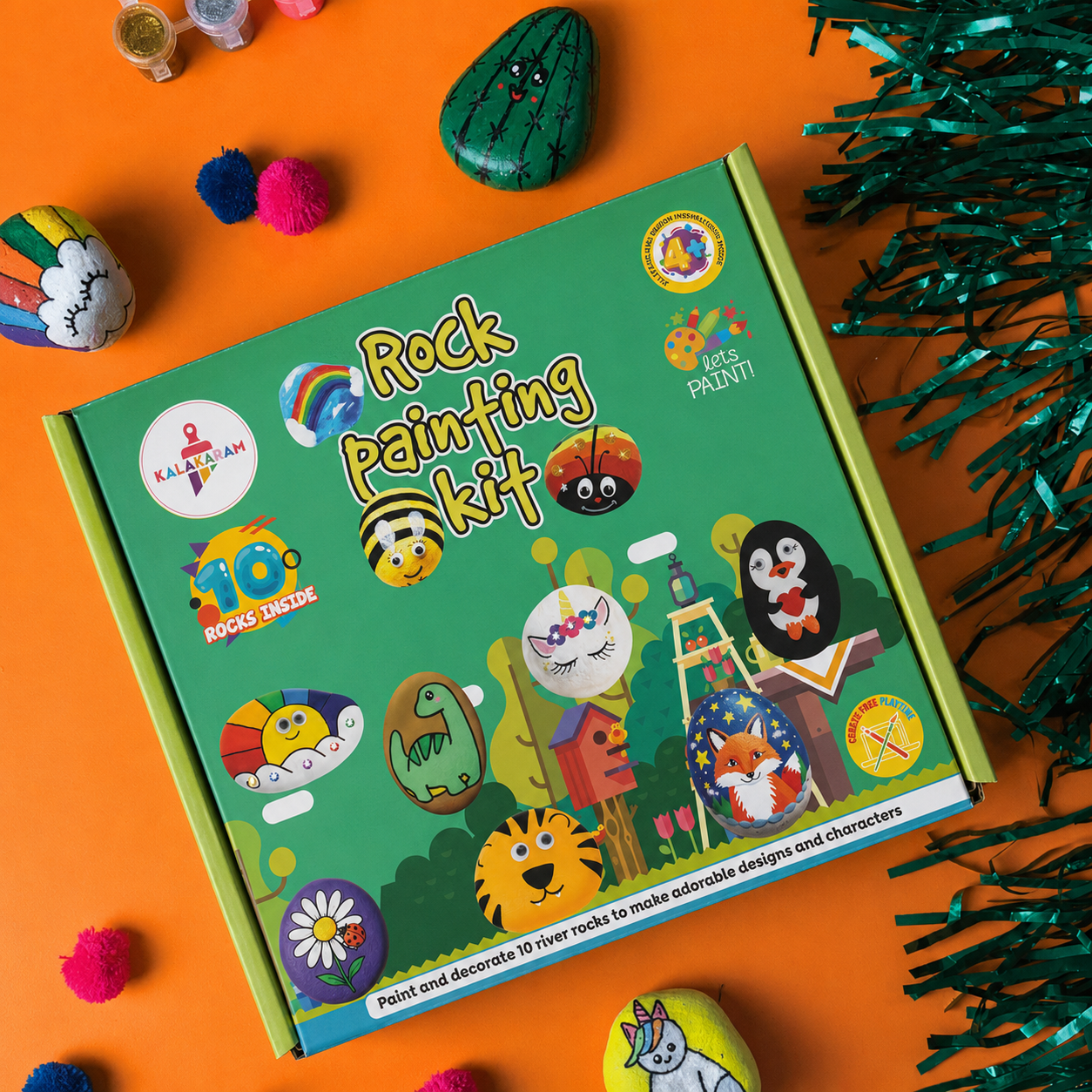
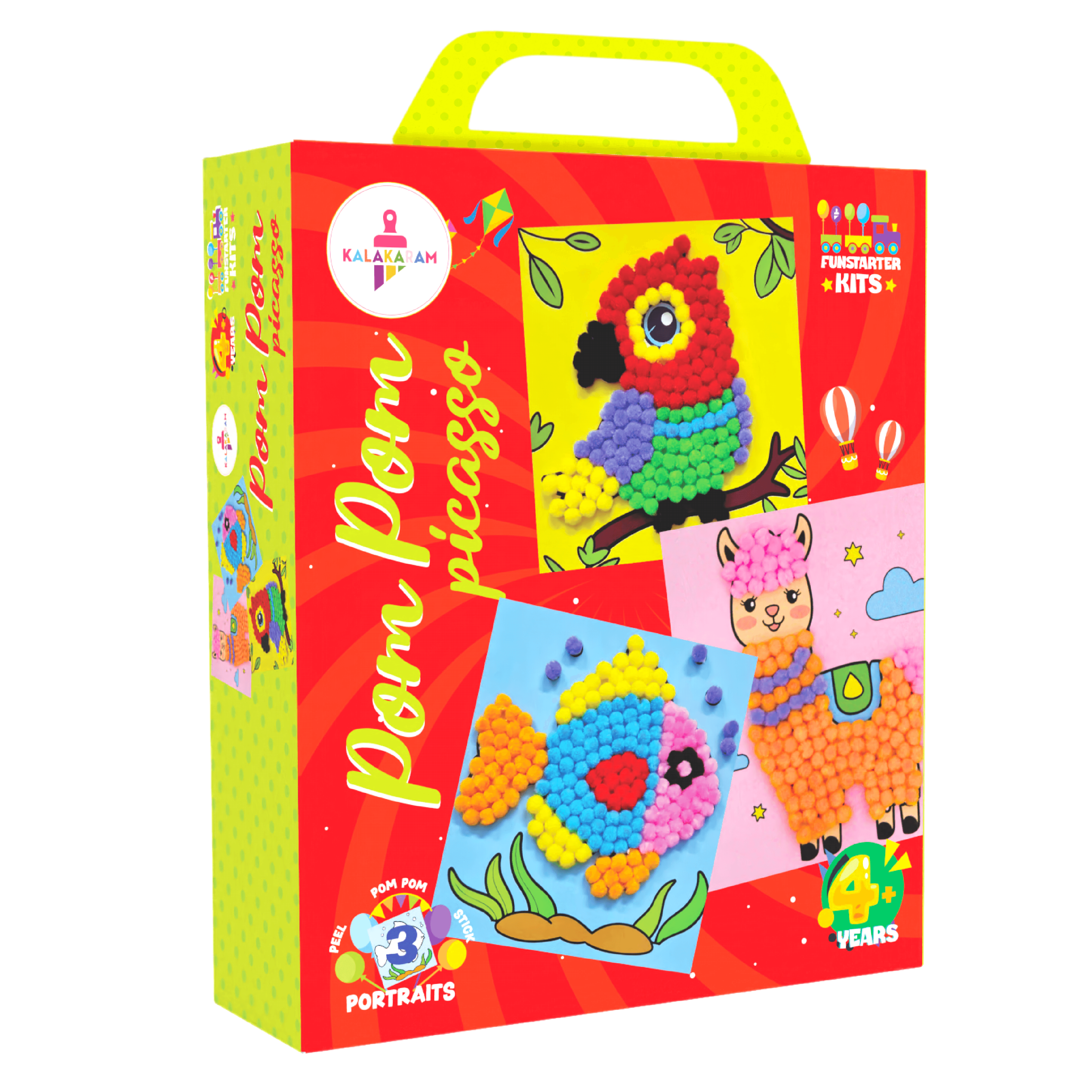
Mini Craft Kits provide perfect starting points with larger materials and simple tools designed for developing hands. These projects build confidence while strengthening basic grip patterns and hand coordination.
https://kalakaram.com/collections/buy-kits-for-4-plus-kids
Simple Activity Kits introduce basic cutting, gluing, and decorating skills through engaging projects that feel like play rather than exercise.
Skills Developed: Basic pincer grasp, bilateral coordination, tool control, simple pattern following
Elementary Years (Ages 7-10)
Children this age can handle more detailed work and show increased attention spans for precise activities. This is an ideal time for introducing techniques requiring sustained fine motor control.
Kalakaram's Embroidery Kits provide excellent fine motor development through needle threading, stitch formation, and pattern following. The repetitive nature of stitching builds muscle memory and endurance.
https://kalakaram.com/collections/buy-embroidery-kits
Benefits: Enhanced finger dexterity, improved bilateral coordination, strengthened pincer grasp, increased hand-eye coordination
Bath & Beauty Creation Kits involve precise measuring, careful mixing, and detailed manipulation of small containers and tools, building practical fine motor skills alongside creativity.
https://kalakaram.com/collections/buy-bath-beauty-kits
Skills Developed: Precise measuring, controlled pouring, small tool manipulation, steady hand control
Advanced Years (Ages 11-14)
Older children can master complex fine motor tasks and benefit from challenging projects that prepare them for adult-level manual dexterity requirements.
Advanced Embroidery Projects introduce sophisticated stitching techniques requiring precise thread tension, complex pattern following, and sustained detailed work.
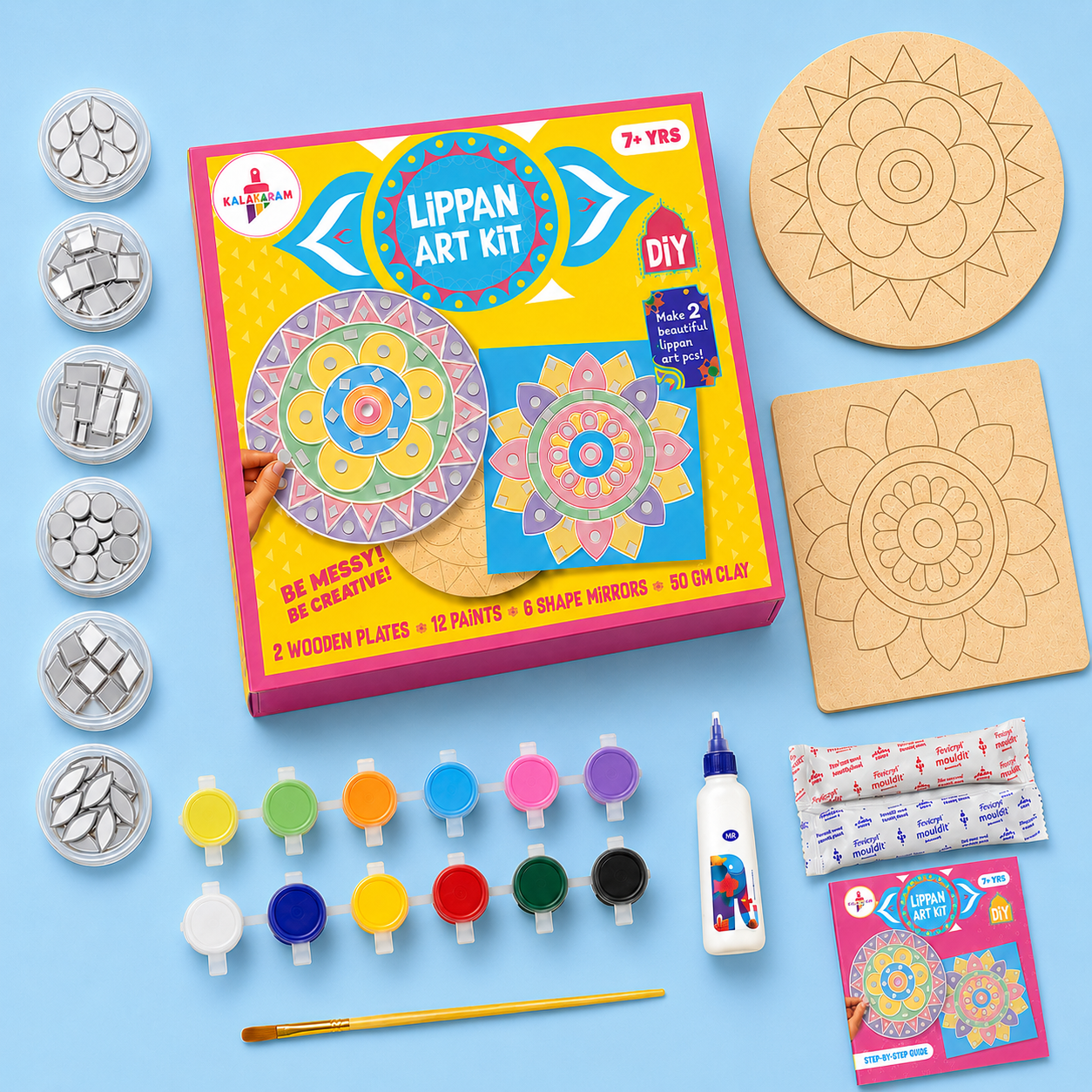
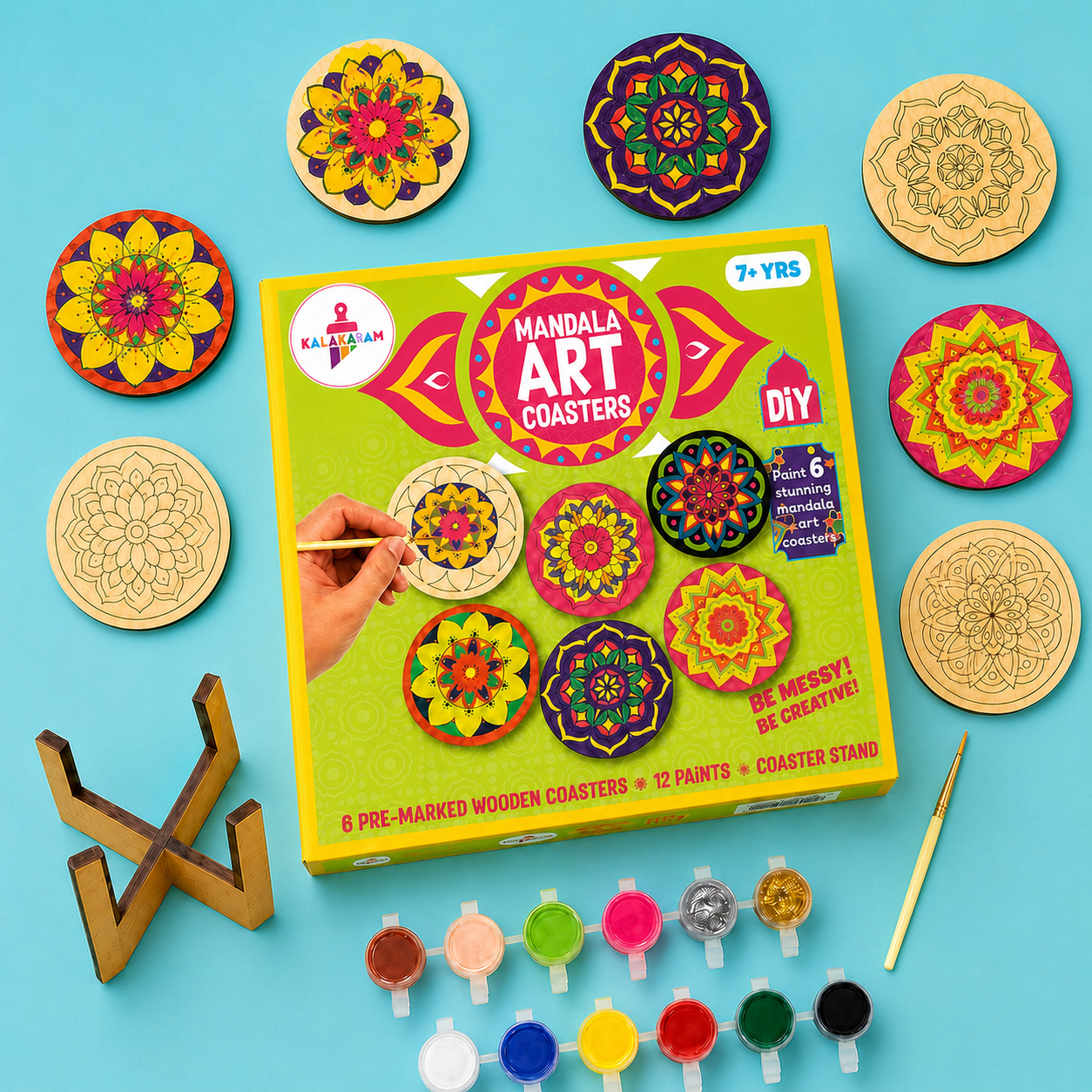
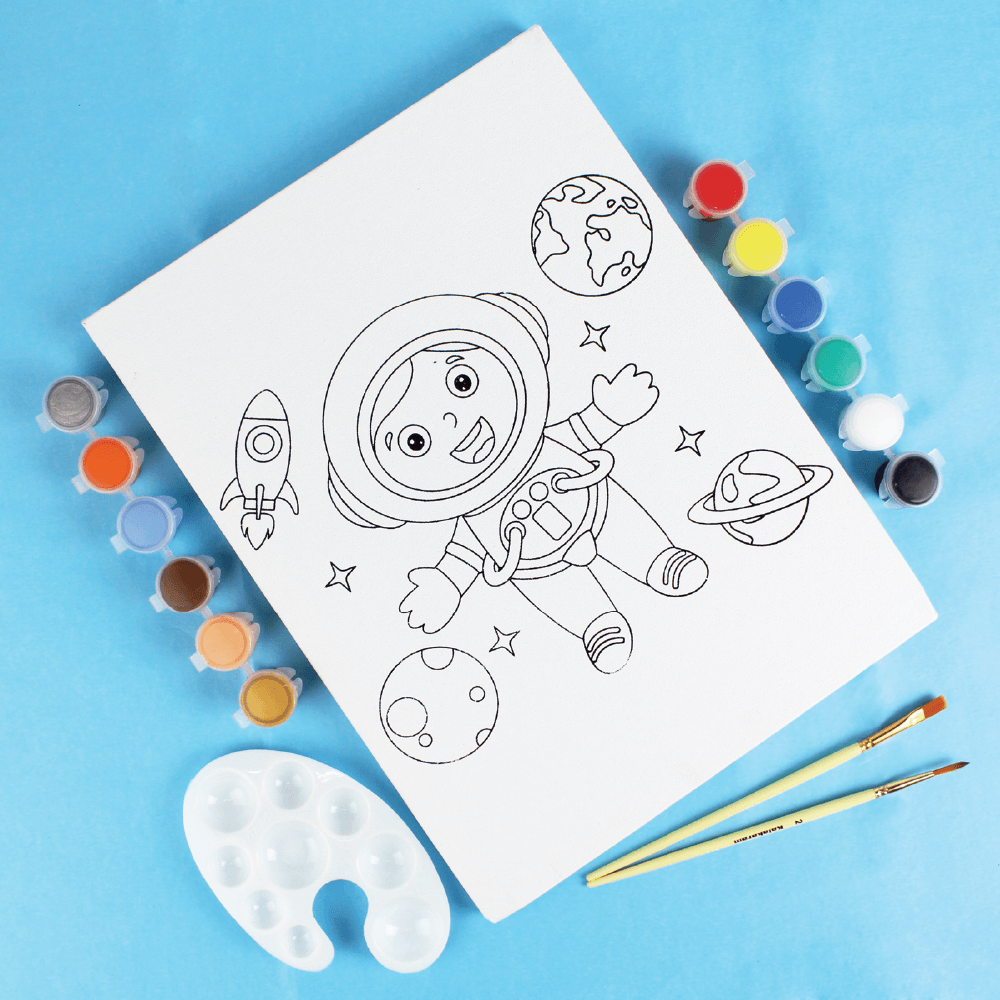
Traditional Indian Art Kits develop exceptional fine motor control through detailed brushwork, intricate pattern creation, and precision color application.
https://kalakaram.com/collections/ethnic-art-kits
Skills Developed: Professional-level hand control, complex pattern execution, artistic precision, sustained attention to detail
Specific Fine Motor Benefits by Activity Type
Embroidery and Needlework
Primary Benefits:
- Pincer grasp strengthening through needle manipulation
- Bilateral coordination development as one hand guides while the other stitches
- Finger isolation skills as children learn to control individual finger movements
- Hand-eye coordination through precise stitch placement
Progressive Skill Building: Start with large needles and thick threads, gradually progressing to finer materials as skills develop. The repetitive nature of stitching builds muscle memory while creating beautiful, lasting artwork.
Candle Making Activities
Motor Skills Developed:
- Precise measuring and pouring motions
- Temperature awareness and careful handling
- Small tool manipulation for decoration
- Steady hand control during detail work
Kalakaram's Candle Making Kits combine fine motor development with practical life skills, teaching children to measure accurately, handle materials safely, and create functional art pieces.
https://kalakaram.com/collections/candle-making-kits-ri
Traditional Art Projects
Fine Motor Components:
- Brush control and pressure regulation
- Detailed pattern work requiring precision
- Color mixing and application techniques
- Steady hand movements for intricate designs
Cultural Connection: While building motor skills, children also connect with heritage arts, making skill development meaningful and culturally enriching.
Bath & Beauty Creation
Precision Skills:
- Accurate measuring of small quantities
- Controlled mixing and stirring motions
- Careful container handling and pouring
- Detail work in decoration and packaging
These activities teach precision while creating useful products, making skill development practical and rewarding.
Creating Optimal Learning Environments
Workspace Setup
Proper workspace setup significantly impacts fine motor development. Children need:
- Appropriate table height (elbows at 90 degrees)
- Good lighting to reduce eye strain
- Organized materials within easy reach
- Comfortable seating that supports good posture
Tool Selection
Choose tools that appropriately challenge without frustrating. Kalakaram's kits include age-appropriate tools designed to build skills progressively while maintaining engagement and success.
Duration and Frequency
Short, frequent sessions work better than long, infrequent ones. Aim for 15-30 minutes of focused fine motor activity several times per week rather than extended sessions that cause fatigue.
Recognizing Progress
Observable Improvements
Parents can track fine motor development by observing:
- Increased endurance for detailed tasks
- Improved pencil grip and writing control
- Better performance with daily tasks like buttoning and zipping
- Greater willingness to attempt challenging manual tasks
- Improved artwork detail and precision
Academic Connections
Fine motor improvements often correlate with academic gains:
- Better handwriting legibility and speed
- Improved mathematical manipulation abilities
- Enhanced art and craft performance
- Greater independence in classroom activities
Supporting Different Learning Styles
Visual Learners
Provide clear demonstrations and visual guides for techniques. Kalakaram's detailed instruction cards support visual learners while building motor skills.
Kinesthetic Learners
Hands-on creative activities naturally appeal to kinesthetic learners, providing the tactile input they need while developing essential motor skills.
Sequential Learners
Break complex projects into clear steps, allowing children to master each component before progressing. This builds both skills and confidence systematically.
Addressing Common Challenges
Low Muscle Tone
Children with low muscle tone benefit from activities that provide proprioceptive input. Embroidery, clay work, and resistance-based crafts help build necessary muscle strength.
Attention Difficulties
Choose projects with clear end points and immediate visual results. Mini kits work well for children who struggle with sustained attention.
Perfectionism
Emphasize process over product, celebrating effort and improvement rather than perfect results. Help children understand that skill development takes time and practice.
Integration with Daily Life
Practical Applications
Help children see connections between craft skills and daily activities:
- Embroidery skills transfer to better button manipulation
- Measuring practice improves cooking abilities
- Tool control enhances writing and drawing performance
Building Independence
As fine motor skills improve, children gain independence in self-care tasks, academic work, and creative expression. This builds confidence that extends beyond motor skills into general self-efficacy.
Long-Term Benefits
Academic Preparation
Strong fine motor skills provide essential foundations for academic success, particularly in writing-intensive subjects and activities requiring precise manipulation.
Life Skills Development
Fine motor competence supports independence in daily living activities throughout life, from personal care to professional tasks requiring manual dexterity.
Creative Expression
Well-developed fine motor skills enable more sophisticated creative expression, allowing children to bring their artistic visions to life with greater precision and satisfaction.
Conclusion
Building fine motor skills through creative activities provides children with essential foundations for academic success, daily independence, and creative expression. Kalakaram's thoughtfully designed DIY kits offer engaging ways to develop these crucial skills while exploring cultural heritage, scientific concepts, and artistic techniques.
The key lies in choosing age-appropriate activities that challenge without overwhelming, providing regular opportunities for practice, and celebrating progress along the way. When fine motor development happens through enjoyable creative projects, children build essential skills while developing positive associations with learning and creating.
Start your child's fine motor development journey today with activities that match their current abilities and interests. Whether through detailed embroidery work, precise candle making, or traditional art techniques, each project builds the hand strength, coordination, and control that will serve them throughout their educational journey and beyond.
Remember, fine motor development is a gradual process that requires patience, practice, and encouragement. Celebrate small improvements, provide appropriate challenges, and trust that consistent engagement with hands-on creative activities will build the strong foundation your child needs for future success.
FAQs
Q: At what age should I be concerned about my child's fine motor development? A: Most children show significant fine motor development between ages 4-7. If your child struggles with age-appropriate tasks or shows significant delays compared to peers, consult with a pediatric occupational therapist.
Q: How often should children engage in fine motor activities? A: Daily exposure is ideal, but even 15-20 minutes several times per week can provide significant benefits. Quality and consistency matter more than duration.
Q: Can digital activities help with fine motor development? A: While some digital activities may help, hands-on creative work provides richer sensory input and more effective motor skill development than screen-based alternatives.
Q: What if my child gets frustrated with fine motor activities? A: Start with easier activities to build confidence, break complex tasks into smaller steps, and focus on effort rather than perfect results. Frustration often indicates the activity is slightly too challenging for current skill level.
Q: How do I know if fine motor activities are too easy or too hard? A: Appropriate activities challenge children without causing significant frustration. Children should be able to complete most of the task independently while still finding it engaging and slightly challenging.